
IR Achromatic Doublet Lens
IR achromatic doublet lenses combine two infrared materials with different refractive indices and dispersion characteristics to reduce wavelength-dependent focal shift. Chenyu Optics manufactures custom designs for thermal imaging, infrared sensors, spectroscopy and precision IR optical systems.
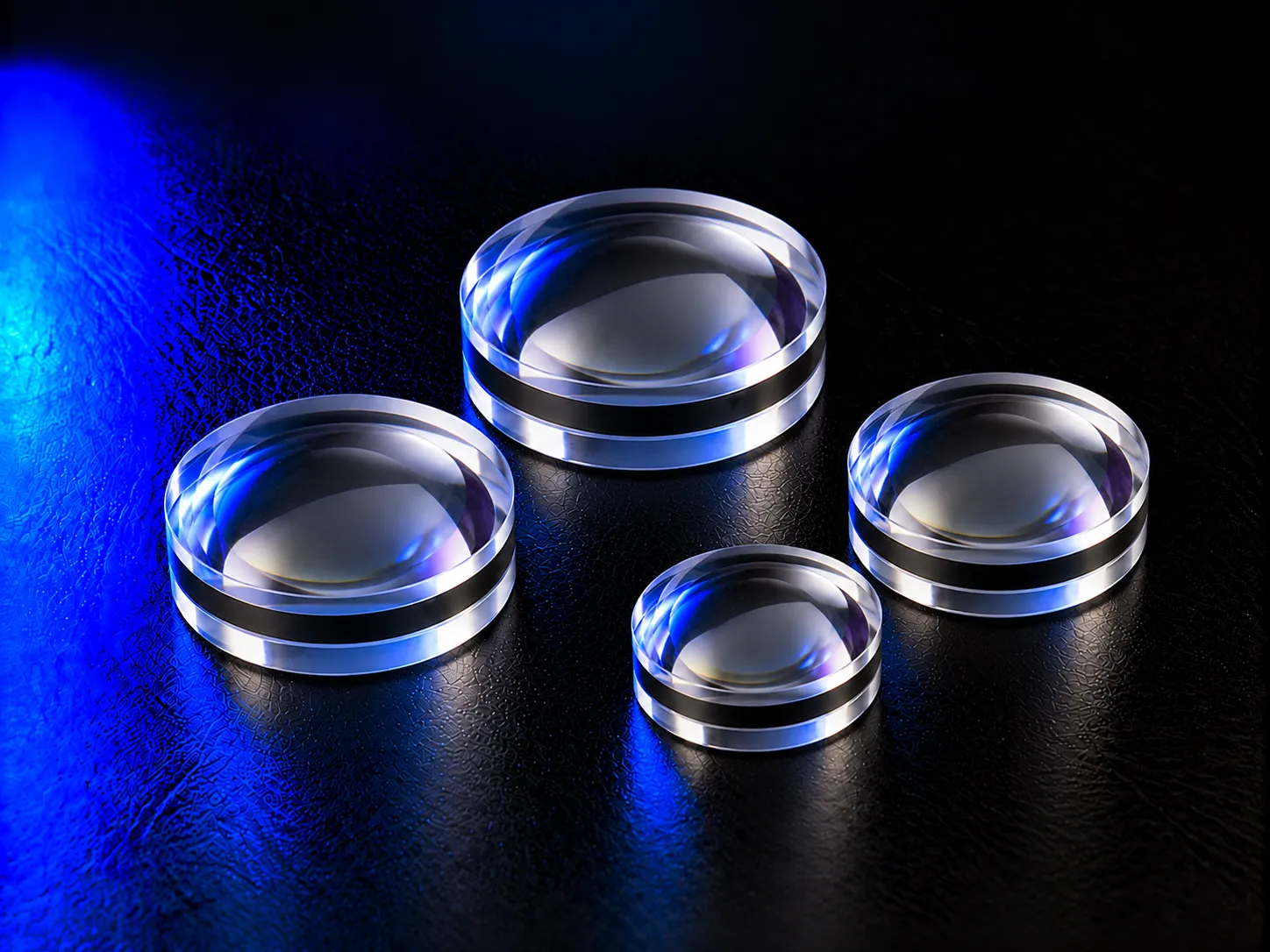
IR Achromatic Doublet Lens Overview
IR achromatic doublet lenses are precision multi-element infrared lenses designed to reduce chromatic aberration across a specified infrared wavelength range.
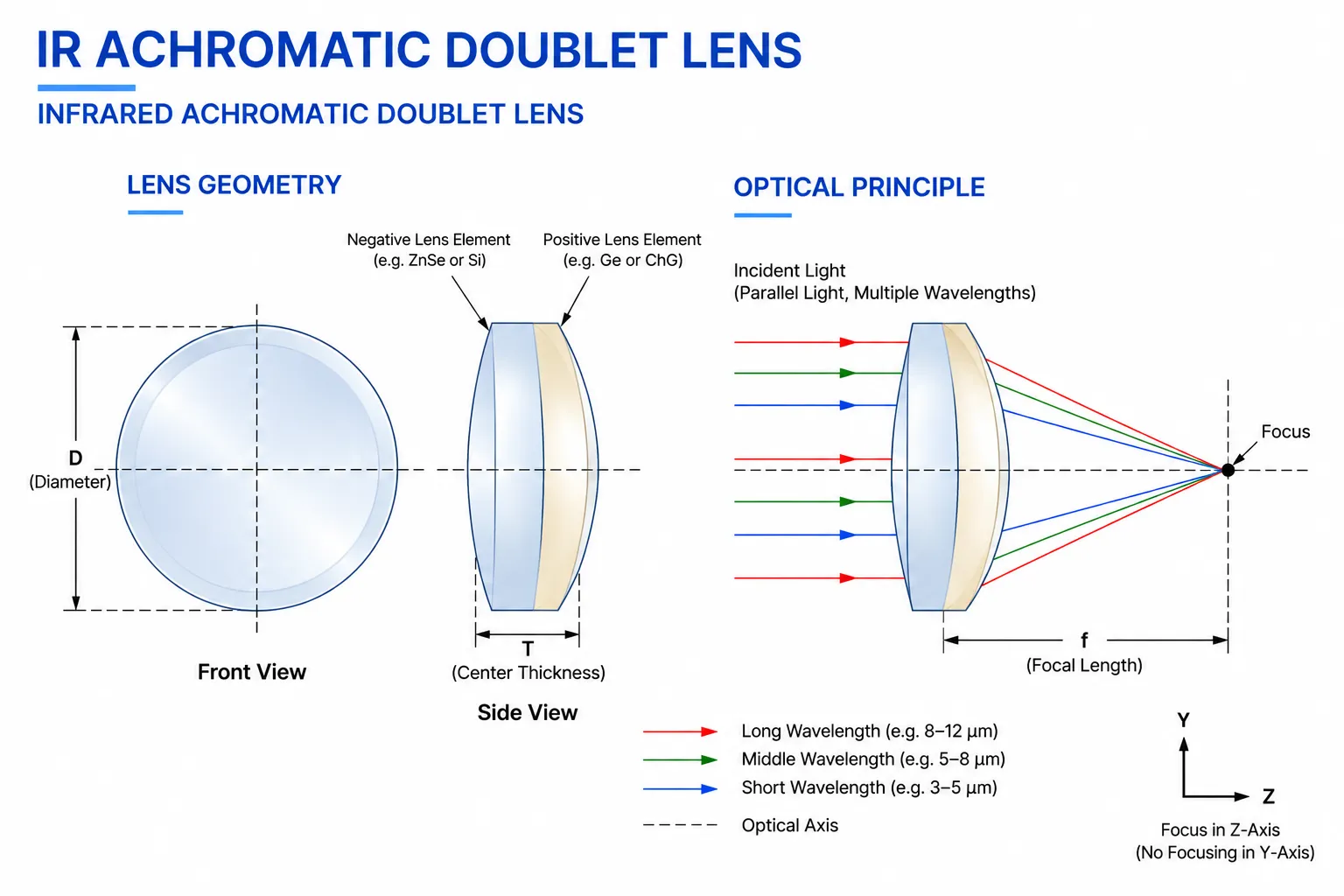
By combining two infrared optical materials with different refractive indices and dispersion characteristics, the doublet reduces wavelength-dependent focal shift and improves broadband imaging performance compared with a single-element lens.
Chenyu Optics manufactures custom doublets using infrared optical glass and chalcogenide glass combinations. Diameter, focal length, curvature, element thickness, assembly method and coating design can be customized.
Key Advantages of IR Achromatic Doublet Lens
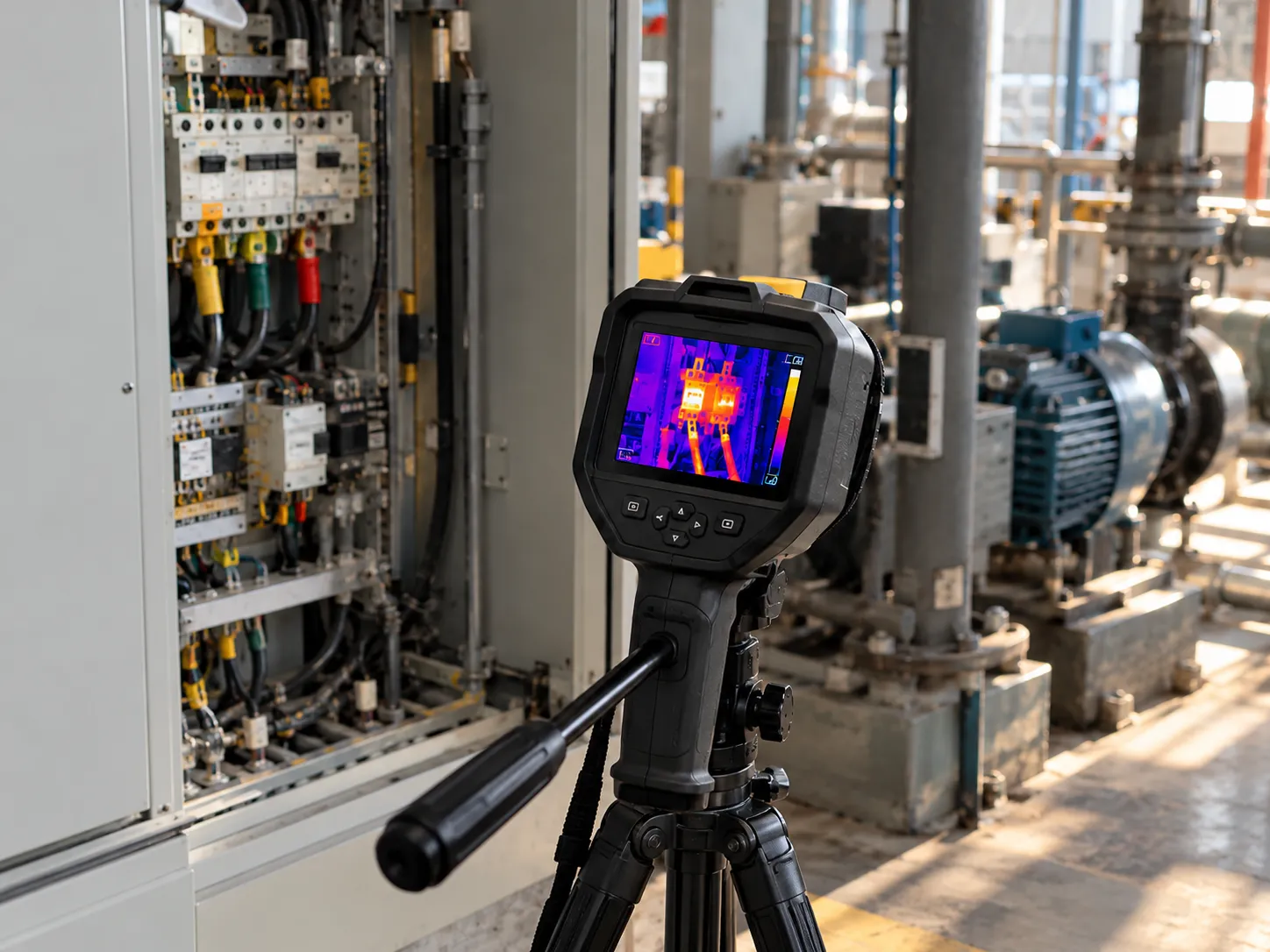
Broadband Infrared Imaging
Two-element material pairing improves focus consistency and image quality across the specified infrared spectral range.
Typical Specifications of IR Achromatic Doublet Lens
| Material Options | Infrared Optical Glass / Chalcogenide Glass |
|---|---|
| Product Type | IR Achromatic Doublet Lens |
| Optical Design | Two-Element Achromatic Doublet |
| Optical Function | Imaging / Focusing / Collimation |
| Spectral Range | Customized |
| Diameter | Customized |
| Effective Focal Length | Customized |
| Back Focal Length | Customized |
| Radius of Curvature | Customized |
| Center Thickness | Customized |
| Material Combination | Customized |
| Surface Accuracy | Customized |
| Surface Quality | 20-10 / 40-20 Scratch-Dig |
| Centration | Customized |
| Assembly Method | Cemented / Optical Contact / Mechanical Assembly, Design Dependent |
| Coating | IR AR / Broadband AR |
IR Achromatic Doublet Lens Structure
Why Choose Chenyu Optics for IR Achromatic Doublet Lens
Chenyu Optics supports custom IR achromatic doublet lens development for thermal imaging, infrared sensing, spectroscopy and scientific instruments, from optical review through repeat production.

Manufacturing Capability for IR Achromatic Doublet Lens
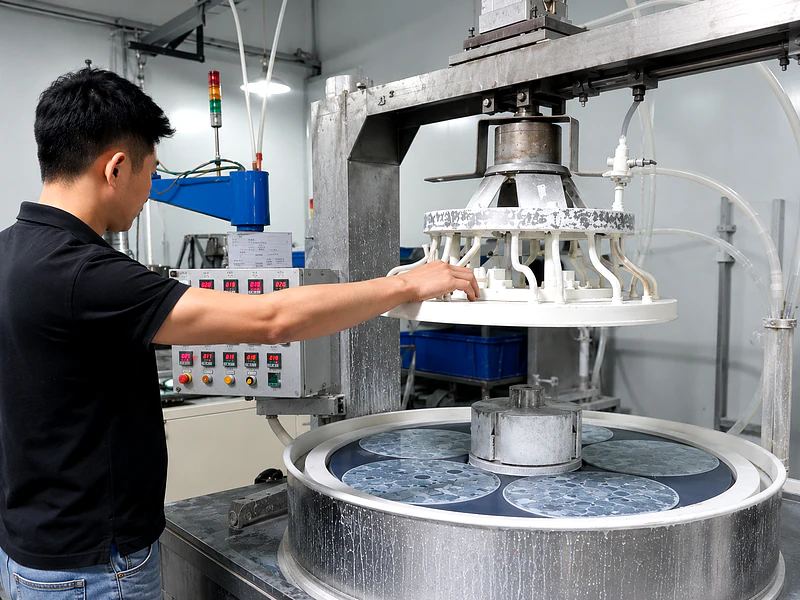
Precision Optical Polishing
Controlled infrared glass and chalcogenide processing for custom radii, element thicknesses, surface accuracy and surface quality.
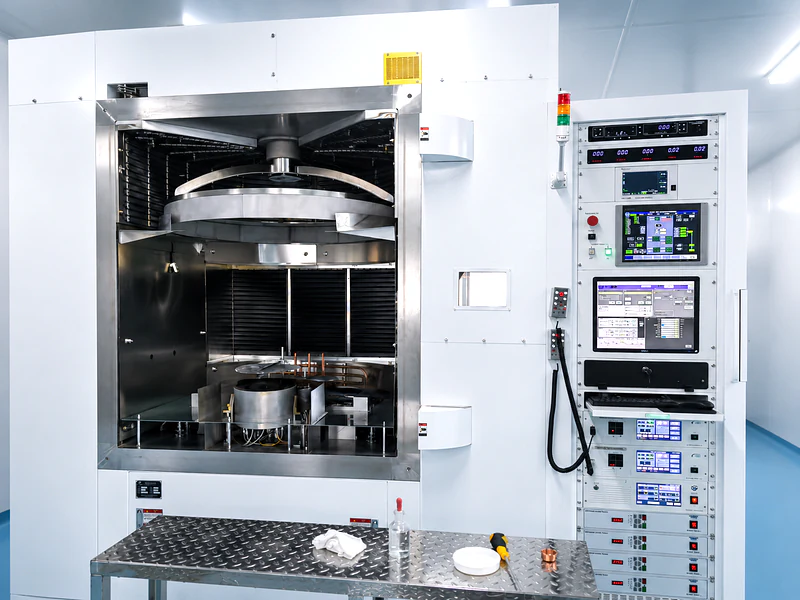
IR AR Coating
Infrared and broadband antireflection coatings optimized for the material pair, spectral range and system requirements.
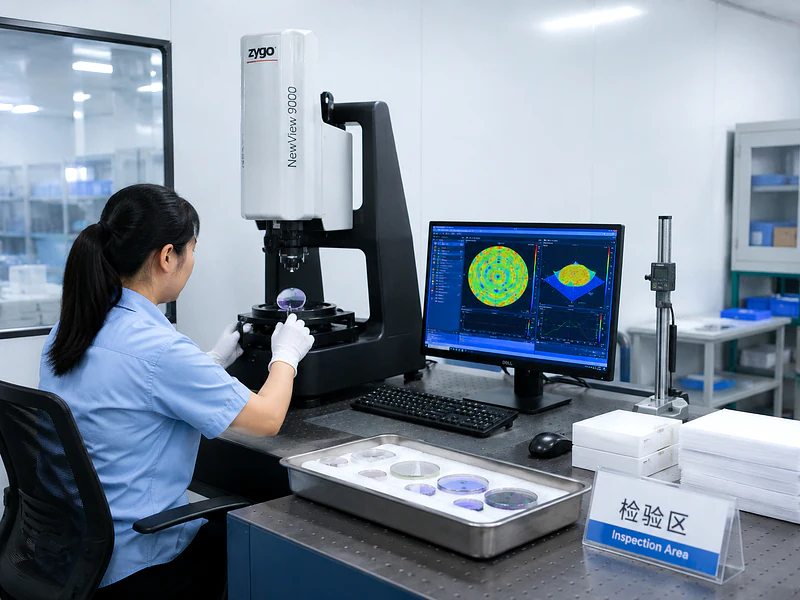
Assembly & Inspection
Precision centration, element matching and assembly followed by dimensional, surface and optical inspection.
Custom Manufacturing Options for IR Achromatic Doublet Lens
Focal Length & Geometry
Diameter, effective focal length, back focal length, radii and element thicknesses can be designed to specification.
Material Pair & Assembly
Infrared optical glass and chalcogenide combinations can be cemented, optically contacted or mechanically assembled as appropriate.
Spectral Range & Coating
IR AR and broadband AR coatings can be optimized for the selected materials, operating band, angle and environment.
IR Achromatic Doublet Lens Material Comparison
| Infrared Optical Glass | Chalcogenide Glass | Selection Consideration | |
|---|---|---|---|
| Design Role | Provides refractive index and dispersion options for achromatic correction | Supports infrared transmission and application-specific dispersion matching | The pair must be evaluated as one optical design |
| Spectral Range | Grade dependent | Composition dependent | Both elements and the coating must support the complete operating band |
| Assembly Review | Cemented, optical-contact or mechanical assembly | Compatibility with cement, temperature and environment must be checked | Assembly method is selected for the material pair and operating conditions |
| Required Inputs | Wavelength, focal length and imaging requirements | Temperature range and permitted material families | An optical prescription or complete system requirements improve selection |
IR Achromatic Doublet Lens vs. Single-Element IR Lens
| IR Achromatic Doublet Lens | Single-Element IR Lens | |
|---|---|---|
| Primary Function | Broadband imaging, focusing or collimation with chromatic correction | Imaging, focusing or collimation with a simpler optical design |
| Elements | Two matched infrared optical elements | One infrared optical element |
| Chromatic Correction | Reduced wavelength-dependent focal shift across the design band | Higher focal shift across a broad spectral range |
| Custom Parameters | Material pair, curvatures, thicknesses, spacing, assembly and coating | Material, curvature, thickness and coating |
Applications of IR Achromatic Doublet Lens
Infrared Imaging
Broadband chromatic correction for infrared imaging systems.
Thermal Imaging
Improved focusing consistency for thermal camera and inspection optics.
IR Cameras
Corrected infrared optics for camera and detector assemblies.
Infrared Sensors
Application-specific focusing for IR sensors and detectors.
IR Spectroscopy
Reduced focal shift across specified infrared spectral bands.
Scientific Instruments
Precision achromatic optics for research and measurement systems.
IR Achromatic Doublet Lens FAQ
What is an IR achromatic doublet lens?
An IR achromatic doublet lens is a two-element optical lens designed to reduce chromatic aberration and wavelength-dependent focal shift across a specified infrared spectral range.
Why use two different infrared materials?
Materials with different refractive indices and dispersion characteristics can be combined to compensate for chromatic aberration and improve broadband infrared imaging performance.
What infrared wavelength ranges can be supported?
The operating range depends on the selected material combination and coating design. Custom doublets can be developed for specific infrared bands according to system requirements.
Are all IR achromatic doublet lenses cemented?
No. Depending on the infrared materials, operating temperature, spectral range and environmental conditions, the elements may be cemented, optically contacted or mechanically assembled.
Can the focal length and material combination be customized?
Yes. Chenyu Optics can customize the material combination, diameter, focal length, curvatures, element thicknesses, assembly method and coating according to the required infrared system.
What information should I provide for a quotation?
Please provide the operating wavelength, imaging requirements, diameter, EFL, BFL if required, permitted materials, optical prescription or radii, element thicknesses, clear aperture, surface specifications, centration, operating temperature, coating, assembly requirements and quantity.
Related Products for IR Achromatic Doublet Lens
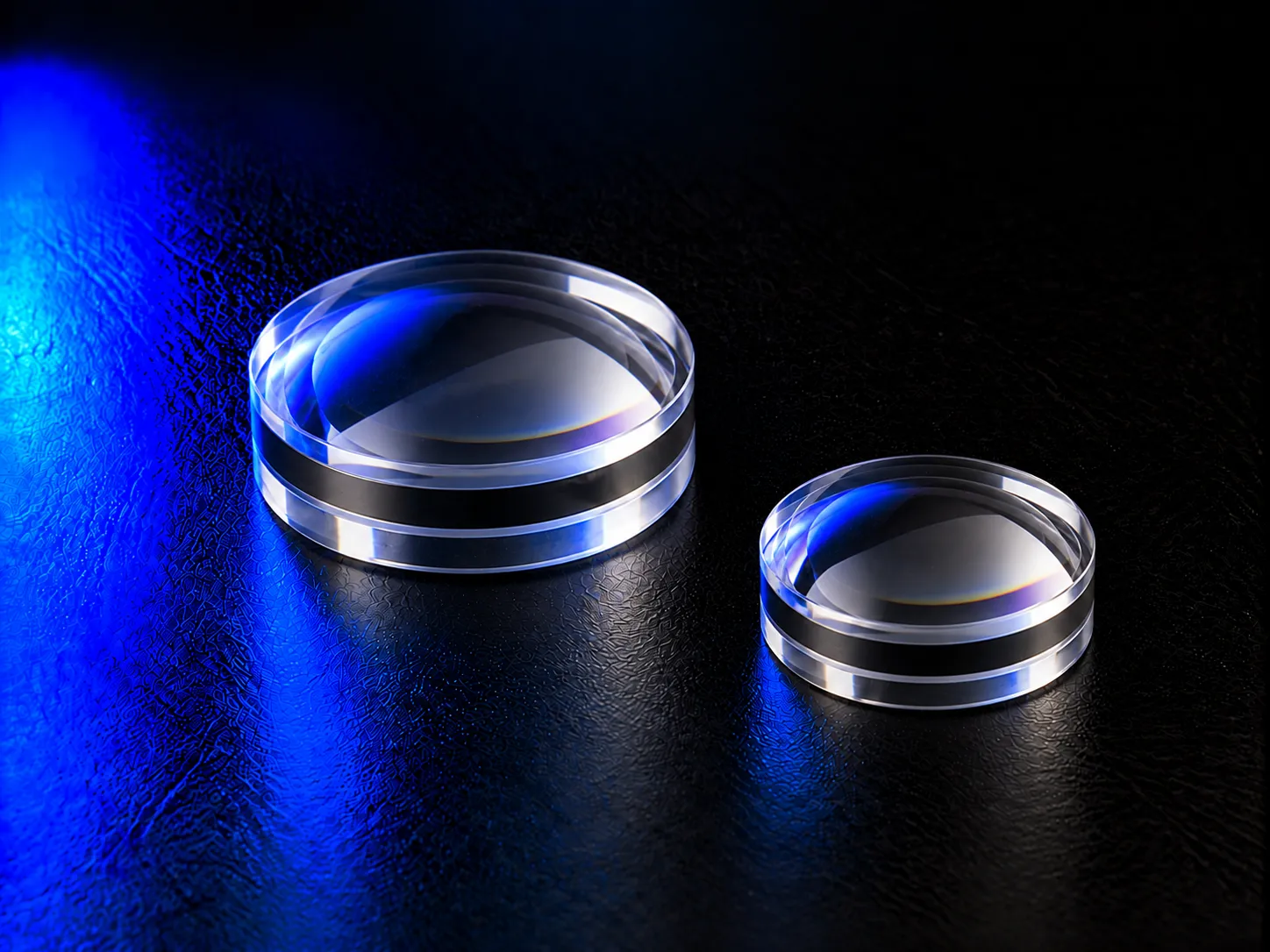
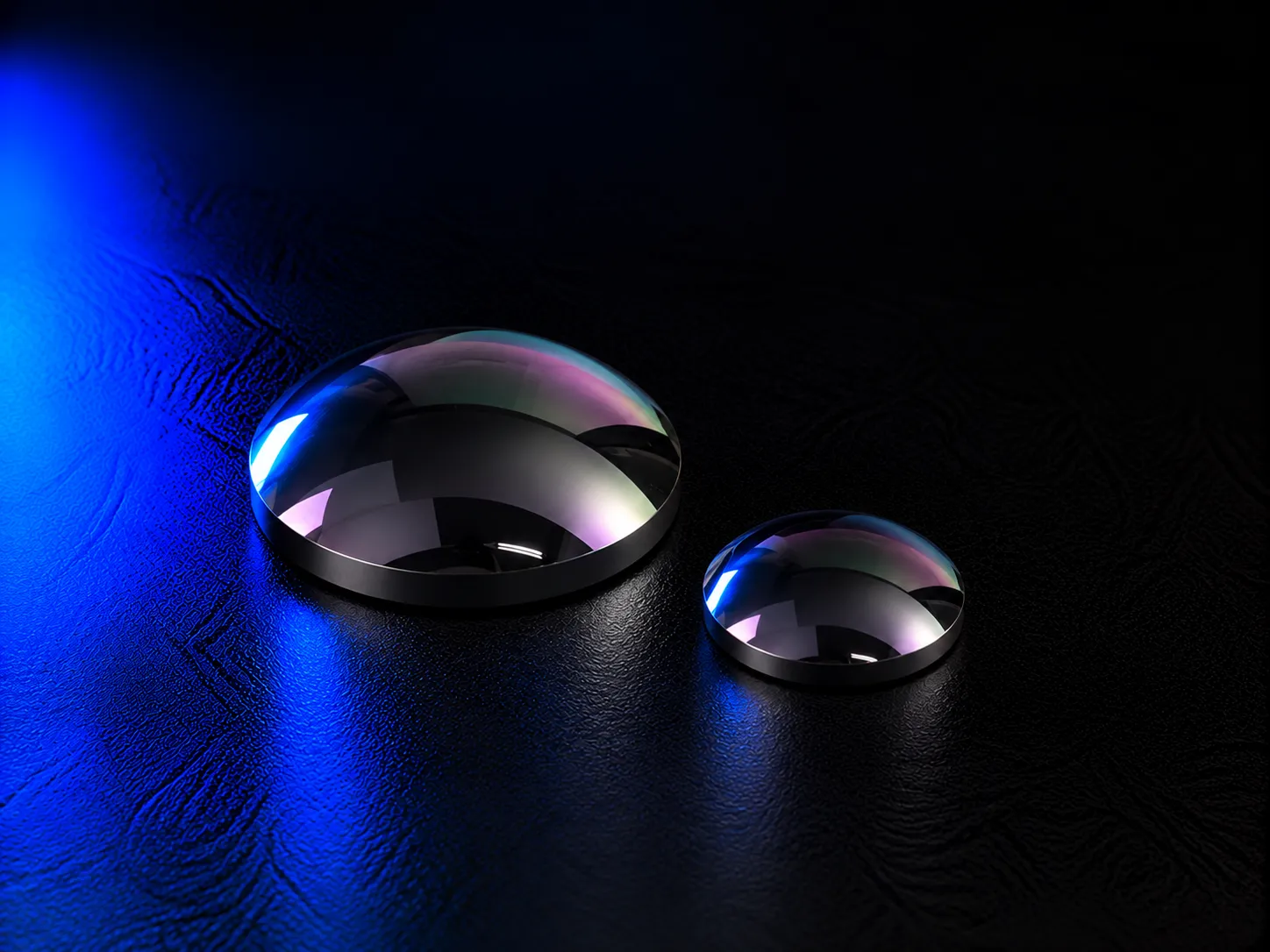
Need Custom IR Achromatic Doublet Lenses?
Please provide the operating wavelength, imaging requirements, diameter, effective focal length, back focal length if required, permitted materials, optical prescription or radii, element thicknesses, clear aperture, surface specifications, centration, operating temperature, coating, assembly requirements and quantity.