
Custom Optical Rods
Chenyu Optics manufactures custom optical rods for light guiding, beam delivery, illumination homogenization, sensing and optical coupling. Material, diameter or cross-section, length, end-face angle, surface quality, dimensional tolerances and coatings can be specified according to the customer drawing.
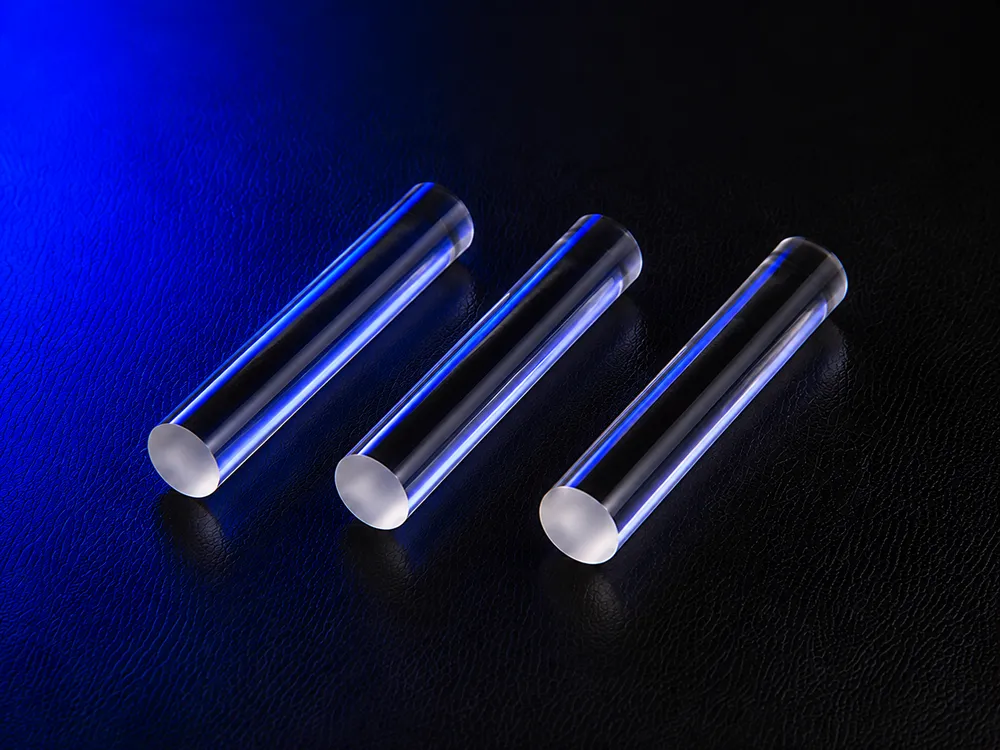
Custom Optical Rod Overview
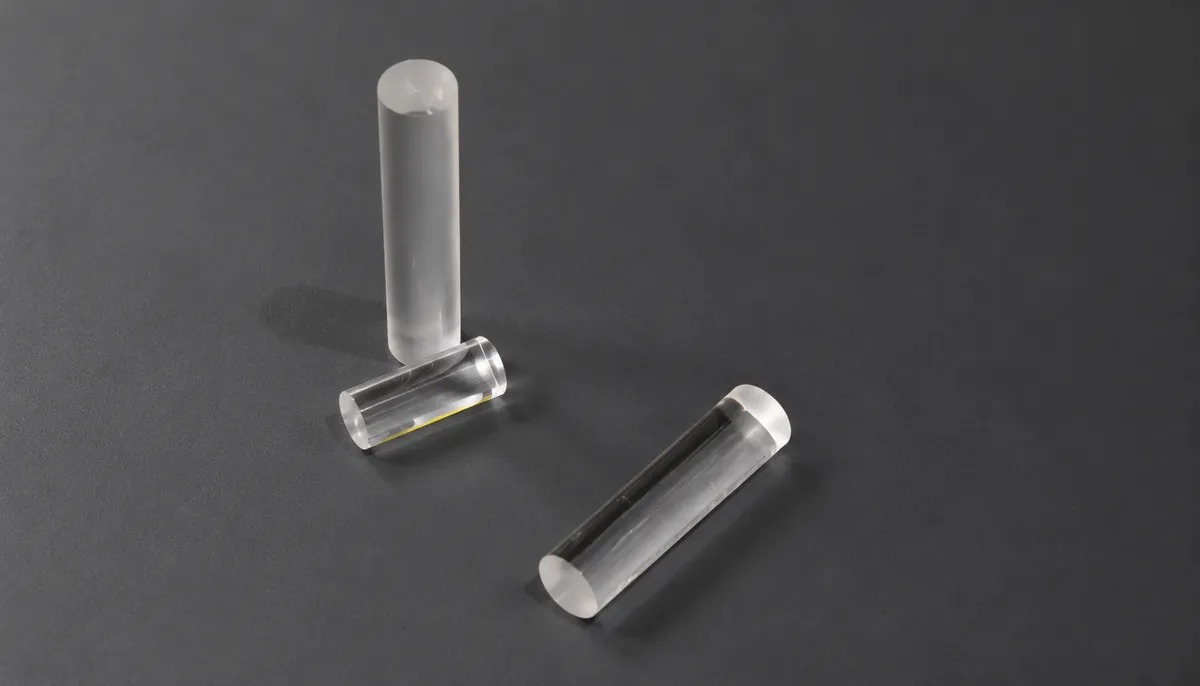
Custom optical rods are solid optical components used to guide, transmit, homogenize or deliver light through a controlled geometry and polished optical surfaces. Depending on the optical design, the rod may use total internal reflection, coated surfaces or direct transmission between polished end faces.
Available material options include optical glass, fused silica and sapphire. Round, square, rectangular, polygonal and drawing-defined cross-sections can be reviewed for prototype, small-batch and repeat production.
The usable wavelength range depends on the selected material and coating. Fused silica, optical glass and sapphire options are reviewed according to the required UV, visible or near-infrared transmission range.
Key Advantages of Custom Optical Rods
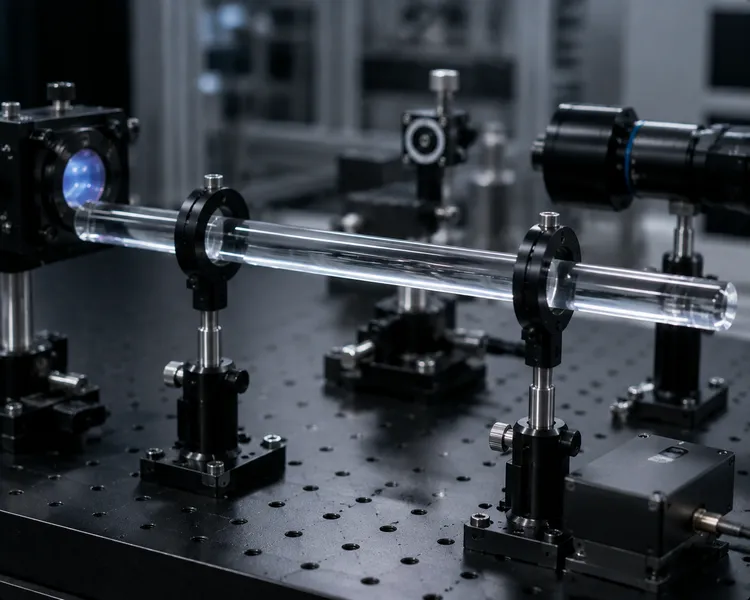
Light Guiding, Homogenization & Beam Delivery
Custom optical rods guide and homogenize light through controlled internal reflection, delivering uniform illumination or stable beam transfer in laser, sensing and optical instrument systems.
Typical Specifications of Custom Optical Rod
| Material | Optical glass, fused silica or sapphire |
|---|---|
| Cross-Section & Size | Round, square, rectangular, polygonal or drawing-defined |
| Length | According to drawing and engineering review |
| Dimensional Tolerance | According to drawing and engineering review |
| End-Face Geometry & Angle | Flat, angled or custom |
| End-Face Quality | Flatness drawing-defined; up to 20-10 scratch-dig on specified optical surfaces, subject to material, geometry and drawing review |
| Side Surface Finish | According to optical function and drawing |
| Parallelism / Perpendicularity | According to drawing and engineering review |
| Chamfer & Clear Aperture | According to drawing and engineering review |
| Wavelength & Coating | Material-dependent; uncoated, UV AR, VIS AR, NIR AR or custom wavelength coating |
| Inspection | Method and report agreed before production |
Optical Rod Structure & Optical Path
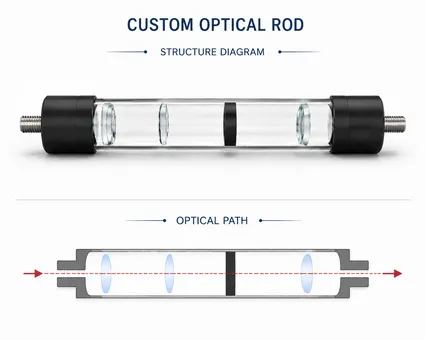
Custom Optical Rod vs. Rod Lens
A custom optical rod is generally specified for light guiding, beam transfer, homogenization or optical coupling over an extended length. A rod lens is a cylindrical lens whose curved surface provides optical power in one axis. The correct component should be selected according to whether the system requires light guidance, beam homogenization or cylindrical focusing.
Information Required for Custom Optical Rod Design
Please specify the material, diameter or cross-section, length, dimensional tolerances, end-face geometry, end-face angle, surface quality, flatness, parallelism, side-surface requirements, operating wavelength, coating, optical function, quantity and drawing.
Why Choose Chenyu Optics for Custom Optical Rods
Chenyu Optics supports drawing-based custom optical rod manufacturing for laser, ultraviolet, sensing and aerospace optical systems, from prototype verification through repeat production.

Manufacturing Capability for Custom Optical Rods
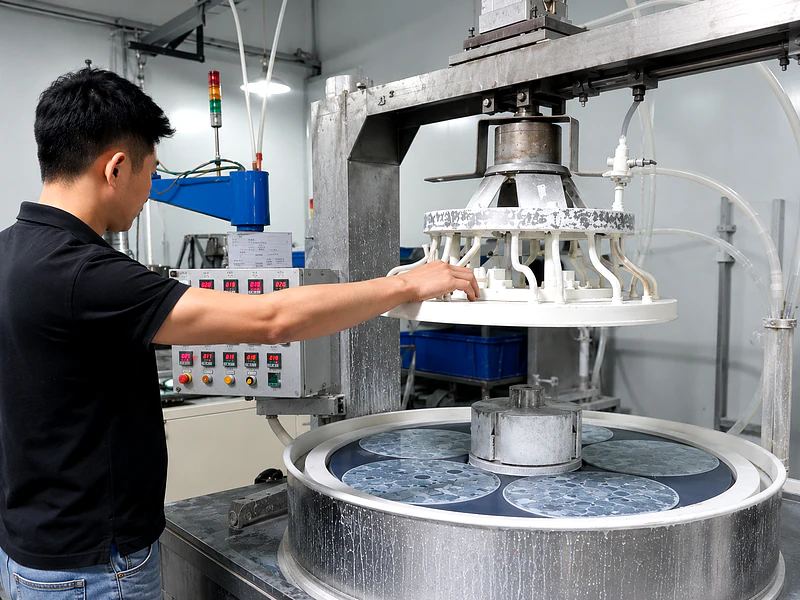
Precision Rod Polishing
Controlled grinding and polishing for custom diameter, length, cross-section, end-face geometry and surface quality.
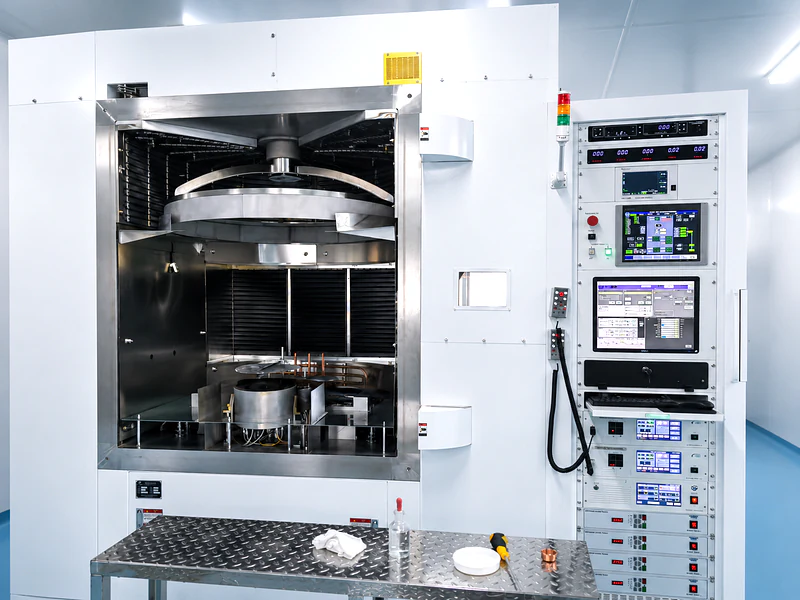
Optical AR Coating
UV, VIS, NIR and custom AR coatings designed for the selected material, wavelength and incident angle.
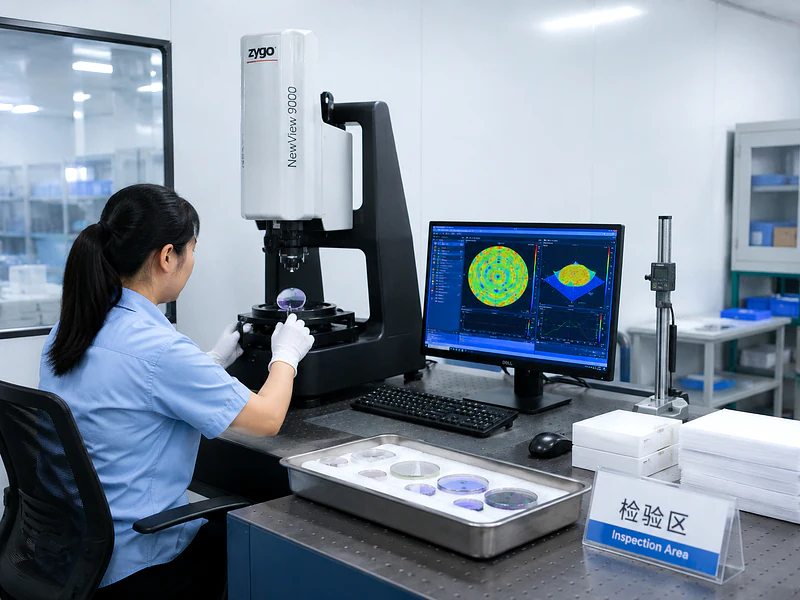
Inspection & Packaging
Dimensional, surface and optical inspection followed by clean handling and protective packaging for precision optical rods.
Coating Options for Custom Optical Rods
Uncoated Optical Rod
Suitable for broadband applications where the material's natural transmission meets system requirements.
UV AR Coating
Optimized to reduce reflection and improve transmission efficiency in ultraviolet imaging, sensing and laser systems.
VIS, NIR & Custom AR Coatings
Designed for visible, near-infrared or customer-specified wavelength ranges, incident angles and environmental conditions.
Custom Optical Rod Coating Selection
| Option | Typical Range | Recommended Use | Design Note |
|---|---|---|---|
| Uncoated | Material-dependent range | Broadband systems and prototypes | Natural surface reflection remains |
| UV AR | Customer-specified UV range | UV imaging, sensing and laser systems | Specify operating wavelength and laser conditions |
| VIS AR | Visible wavelength range | Imaging and optical sensor systems | Reduces visible surface reflection |
| NIR AR | Near-infrared wavelength range | NIR imaging and detection systems | Optimized for the specified incident angle |
| Custom AR | Customer specified | Laser and customer-specified optical systems | Specify wavelength, AOI, power and environment |
Applications of Custom Optical Rods
Light Guides
Efficient light transfer between sources and optical assemblies.
Beam Homogenization
Uniform output profiles for illumination and laser systems.
Laser Systems
Beam delivery and shaping for industrial and scientific lasers.
Illumination Optics
Controlled light distribution for high-performance illumination.
Optical Sensors
Stable signal collection and delivery in sensor assemblies.
Spectroscopy
Optical coupling and beam transfer for analytical instruments.
Scientific Research
Custom light-guiding elements for laboratory optical setups.
Industrial Optics
Durable beam-delivery components for industrial equipment.
Custom Optical Rod FAQ
What is a custom optical rod used for?
Custom optical rods are used for light guiding, beam delivery, illumination homogenization, optical coupling and signal transfer.
What materials are available for optical rods?
Common materials include optical glass, fused silica and sapphire, selected according to wavelength, laser power and environmental requirements.
Can the rod geometry be customized?
Yes. Diameter, length, round or polygonal cross-section, end-face geometry, chamfers and dimensional tolerances can be customized.
What coatings are available for optical rods?
Uncoated, UV AR, VIS AR, NIR AR and custom wavelength coatings can be reviewed according to the material, operating wavelength, angle of incidence and optical path. Any reflective coating requirement must be evaluated separately.
What information is required for a custom optical rod quotation?
Please provide the material, diameter or cross-section, length, dimensional tolerances, end-face geometry, surface requirements, operating wavelength, coating specification, optical function, quantity and drawing.
Handling & Manufacturing Notes

Need Custom Optical Rods or Light Guides?
Send us your drawing with the material, diameter or cross-section, length, end-face geometry, dimensional tolerances, surface requirements, operating wavelength, coating specification and quantity for engineering review.