
Sapphire Optical Windows
Chenyu Optics supplies custom Sapphire Optical Windows according to customer drawings, including crystal orientation, diameter or rectangular dimensions, thickness, parallelism, clear aperture, edge or chamfer, surface quality, flatness and UV, VIS, NIR or IR coating requirements. Pressure-window applications require a separate review of unsupported aperture, thickness, mounting, sealing, pressure differential and safety factor.
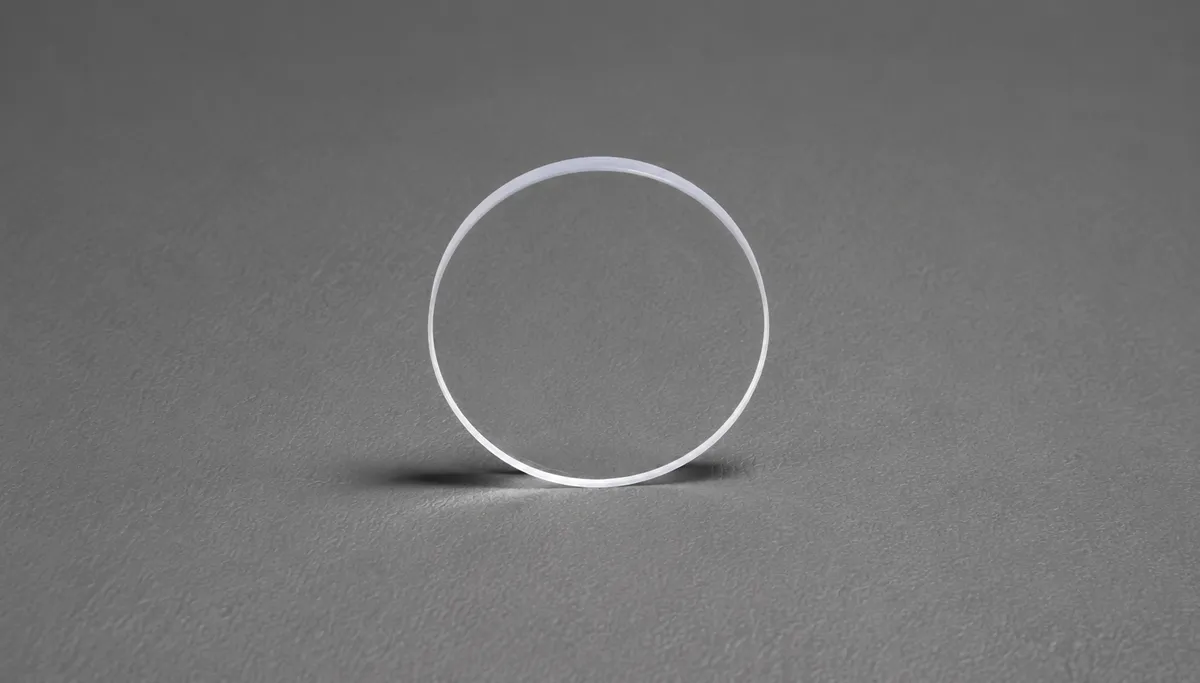
Sapphire Optical Window Overview
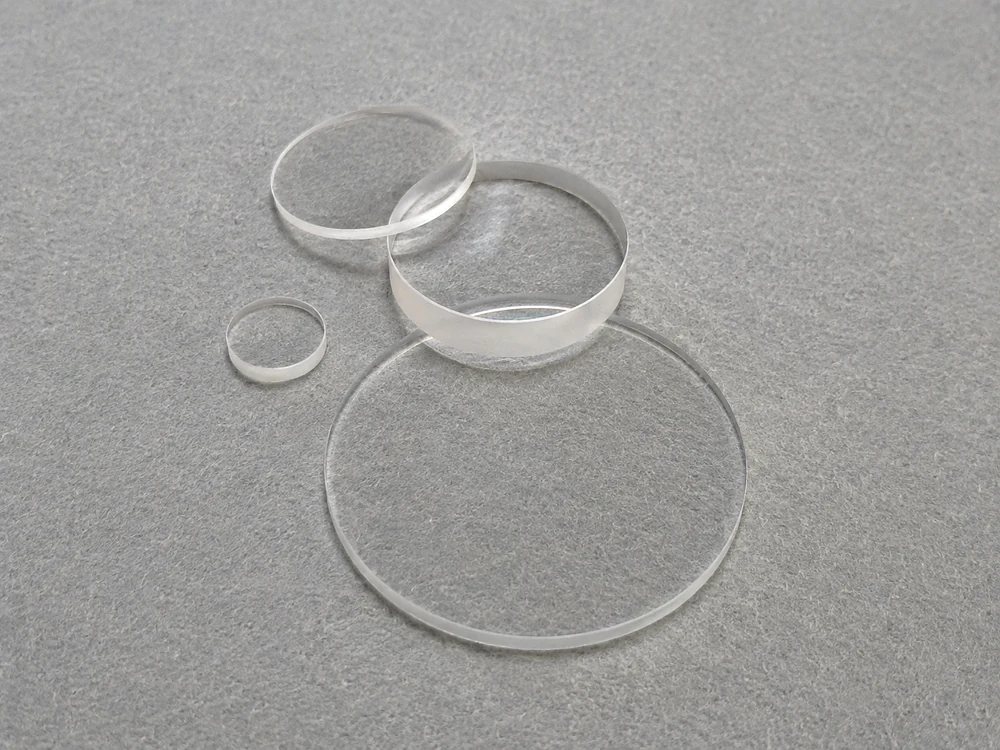
Sapphire Optical Windows are precision optical components manufactured from single-crystal aluminum oxide, offering an exceptional combination of mechanical strength, chemical resistance and broadband optical transmission.
Due to their extreme hardness, high thermal conductivity and resistance to scratching, thermal shock and chemical attack, sapphire windows are widely used in harsh environment optics, aerospace and defense systems, laser systems, imaging and scientific instruments where durability is critical alongside optical performance.
Chenyu Optics supports custom Sapphire Optical Window manufacturing according to customer drawings, including custom diameter, thickness, shape, surface quality, flatness and coating for prototype verification and repeat production.
Key Advantages of Sapphire Optical Windows
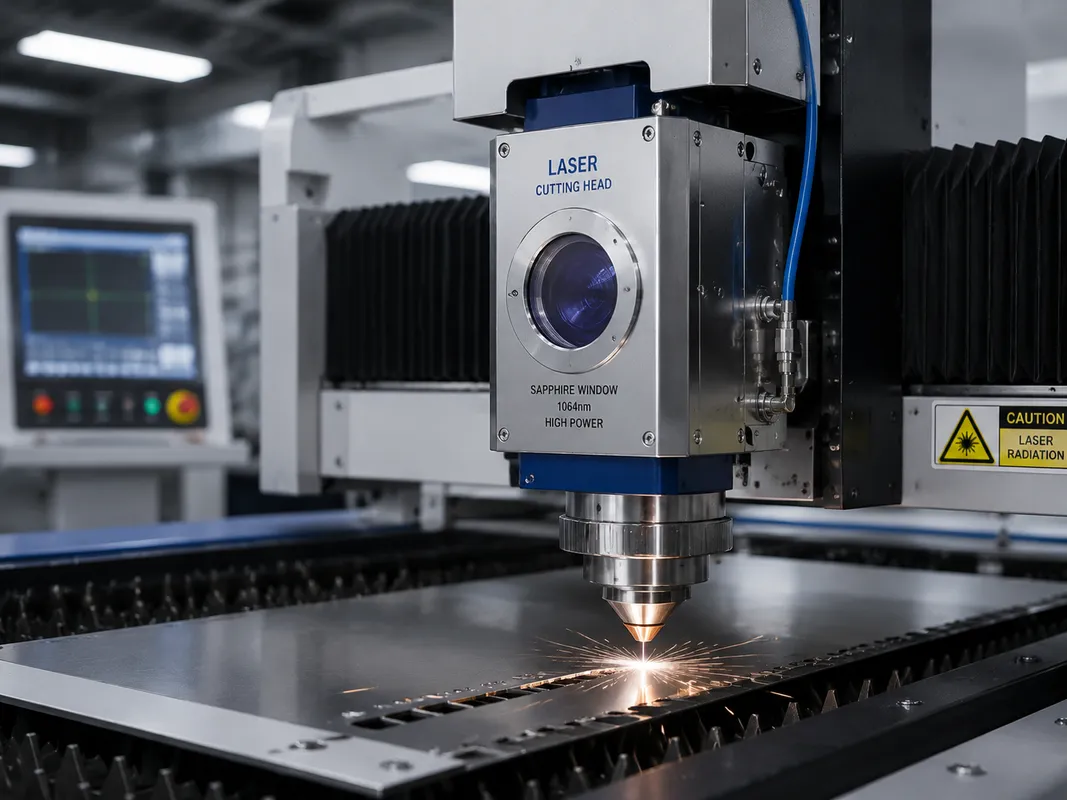
Harsh Environment & Aerospace Systems
Sapphire Optical Windows are used as protective sensor and imaging windows where hardness and environmental resistance are required. Pressure-window use must be verified for the actual aperture, thickness, mounting and load conditions.
Typical Specifications of Sapphire Optical Windows
| Material | Single-crystal sapphire (Al₂O₃); grade available upon request |
|---|---|
| Crystal Orientation | C-plane, A-plane, R-plane or other specified orientation; available upon request |
| Diameter / Size Range | Available upon request according to shape and drawing |
| Thickness Range | Available upon request |
| Thickness Tolerance | According to drawing and application requirements |
| Parallelism | Available upon request; confirmed according to size and inspection requirements |
| Surface Quality | According to drawing and inspection requirements |
| Surface Flatness | Available upon request; measurement aperture and reference wavelength must be specified |
| Clear Aperture | According to customer drawing; available upon request |
| Edge / Chamfer | Ground, fine-ground, chamfered or polished according to drawing requirements |
| Coating Options | Uncoated, UV AR, VIS AR, NIR AR, IR AR, broadband AR or other application-specific coating |
| Inspection Report | Available upon request; report content follows the agreed dimensional, surface and coating inspection items |
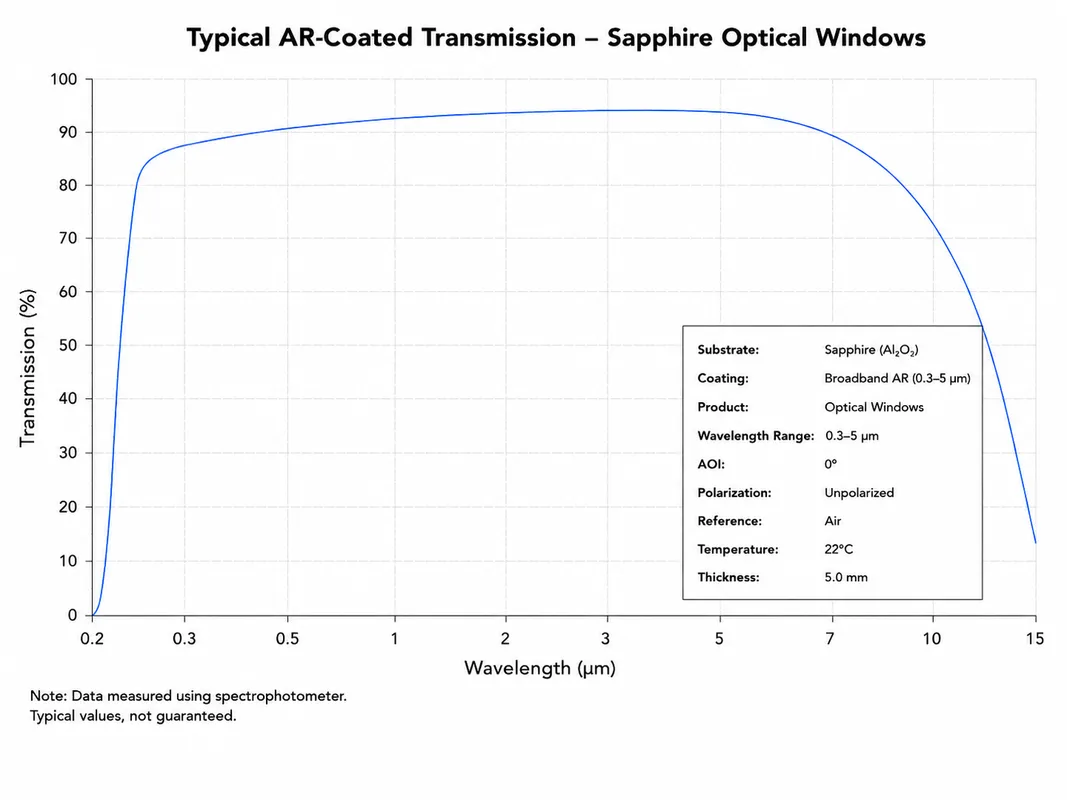
Spectral Transmission Curve (Typical)
Why Choose Chenyu Optics for Sapphire Optical Windows
Chenyu Optics focuses on drawing-based precision manufacturing of hard-crystal optical windows for harsh environment, aerospace and laser optical systems. We support prototype verification, small-batch production and repeat manufacturing for non-standard Sapphire optical windows.
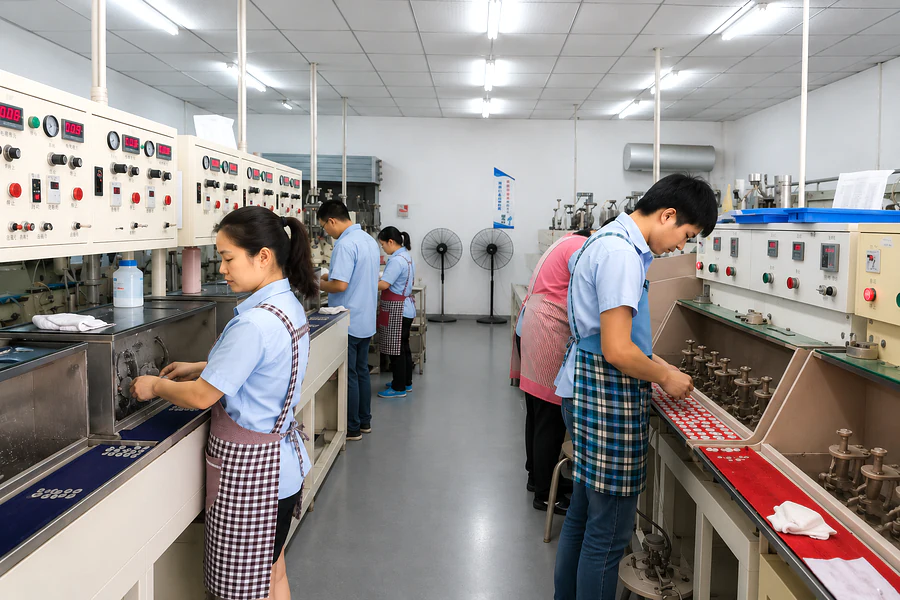
Manufacturing Capability for Sapphire Optical Windows
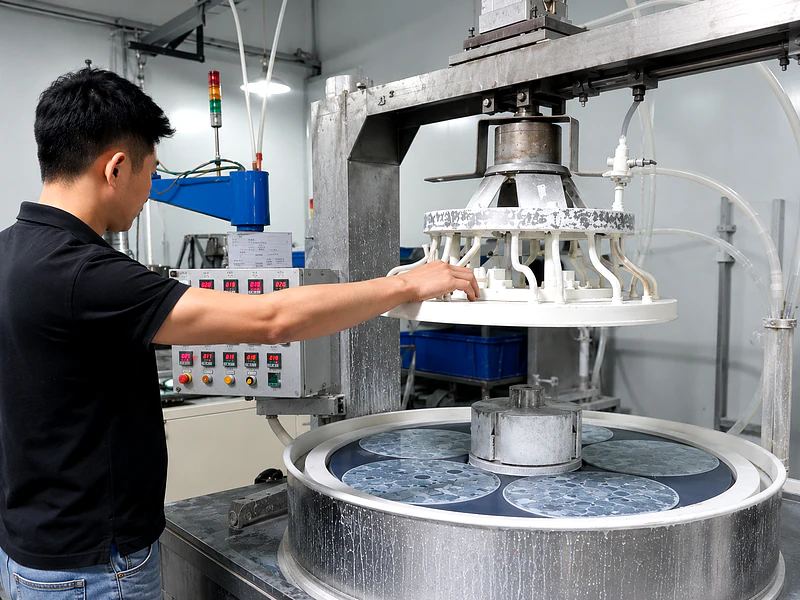
Precision Polishing
Sapphire surfaces and dimensions are processed according to the approved drawing, surface, flatness and edge requirements.
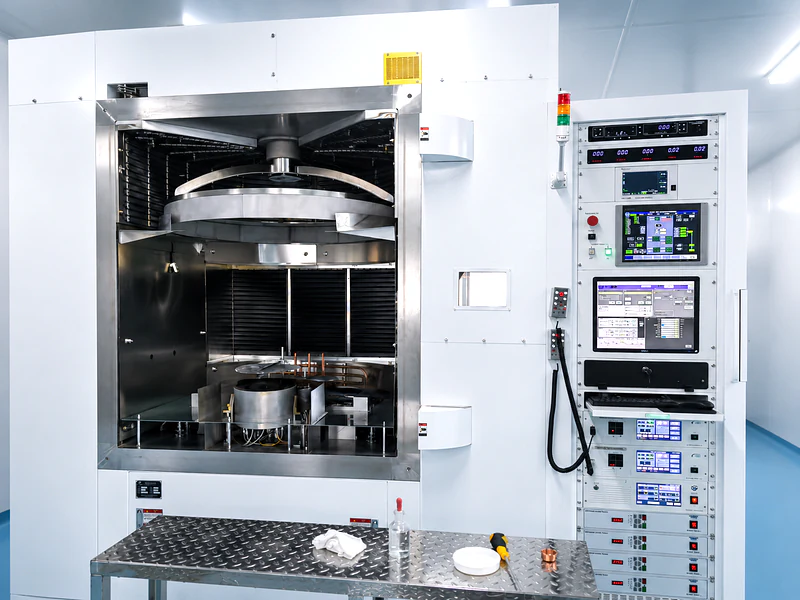
Optical Coating
Uncoated, AR, broadband AR, UV AR, IR AR or DLC coating options selected according to wavelength and application requirements.
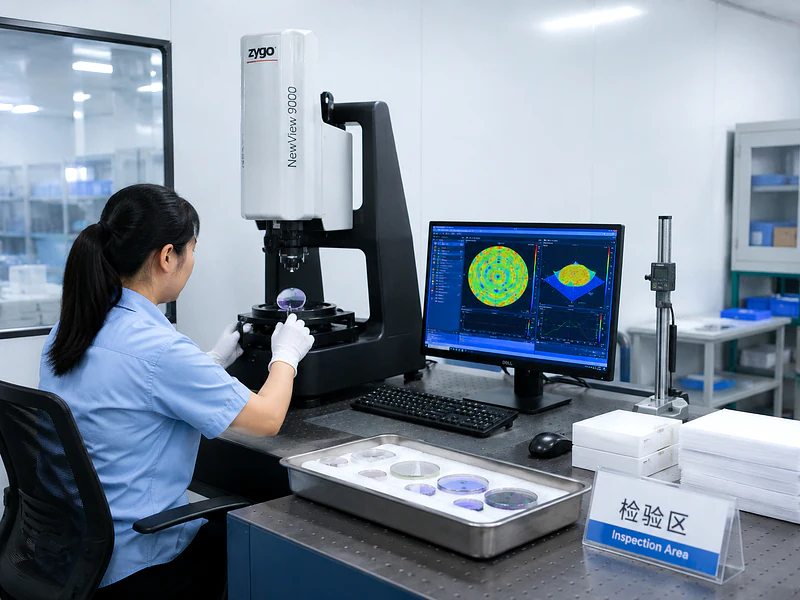
Inspection & Packaging
Dimensional, parallelism, surface, clear-aperture and coating inspection follows the agreed requirements, followed by protective packaging.
Custom Manufacturing Options for Sapphire Optical Windows
Dimensions, Orientation & Edges
Diameter or rectangular dimensions, thickness, crystal orientation, parallelism, clear aperture and edge or chamfer requirements are defined by the customer drawing.
Pressure Environment Review
Provide pressure differential, unsupported aperture, mounting and sealing method, temperature range, medium, load duration and required safety factor. Material properties alone do not establish a safe pressure rating.
UV / VIS / NIR / IR Coatings
Uncoated, UV AR, VIS AR, NIR AR, IR AR or broadband AR options are reviewed according to wavelength, angle of incidence and operating environment.
Sapphire Optical Window Material Comparison
| Selection Factor | Sapphire | Fused Silica | Calcium Fluoride (CaF₂) |
|---|---|---|---|
| Spectral Use | UV, visible, NIR and selected IR applications; verify grade, thickness and coating | UV, visible and NIR applications; grade and thickness dependent | Deep-UV through infrared applications; verify grade, thickness and environment |
| Mechanical Durability | Very hard, scratch resistant and chemically durable | Lower hardness than sapphire, with good thermal stability | Relatively soft and brittle; handling and mounting require care |
| Thermal / Environmental Notes | Selected for abrasive, chemically demanding and mechanically exposed environments | Selected when low thermal expansion and UV-to-NIR optical performance are important | Selected for broad spectral coverage where its softer, brittle nature is acceptable |
| Typical Selection | Protective windows, exposed sensors and harsh-environment optical interfaces | Laser, imaging and spectroscopy windows requiring thermal stability | UV spectroscopy, excimer-laser and broadband optical systems |
| Pressure Application | For every material, pressure suitability requires calculation or validation using the actual aperture, thickness, geometry, mounting, sealing, temperature, pressure differential and safety factor. | ||
Applications of Sapphire Optical Windows
Aerospace & Defense
Durable optical windows for aerospace, defense and protective sensor systems.
Harsh Environment Optics
Protective windows for abrasive or thermally demanding environments; pressure use requires application-specific engineering review.
Laser Systems
Optical windows for laser sources and beam delivery systems.
Imaging
Windows for imaging assemblies requiring reliable optical transmission and mechanical strength.
Spectroscopy
Windows and cell components for spectroscopic instruments.
Scientific Instruments
Optical windows for laboratory instrumentation requiring reliable transmission and durability.
Sapphire Optical Window FAQ
Why is sapphire used for optical windows?
Sapphire offers exceptional hardness, chemical durability and broadband transmission, making it suitable for harsh environment and protective optical applications.
What wavelength range does sapphire support?
Sapphire typically provides transmission from approximately 0.2 to 5.5 μm, covering UV through mid-infrared wavelengths.
Can sapphire windows be used in high-pressure or abrasive environments?
Sapphire is selected for abrasive and mechanically demanding environments, but a pressure rating cannot be assigned from material hardness alone. The actual aperture, thickness, geometry, mounting, sealing, temperature, pressure differential and safety factor must be reviewed.
Can sapphire optical window coatings be customized?
Yes. Coating options include uncoated, AR, broadband AR, UV AR, IR AR or DLC as applicable, selected according to wavelength and application requirements.
What information should I provide for a quotation?
Please provide the drawing, crystal orientation, diameter or rectangular dimensions, thickness and tolerance, parallelism, surface quality, flatness, clear aperture, edge or chamfer, operating wavelength, coating requirement, quantity and inspection requirement. For pressure use, also provide the unsupported aperture, mounting and sealing method, temperature, medium, pressure differential, load duration and safety factor.
Where can I learn more about infrared optical materials?
Additional infrared optical material information can be found from Edmund Optics.
Related Products for Sapphire Optical Window
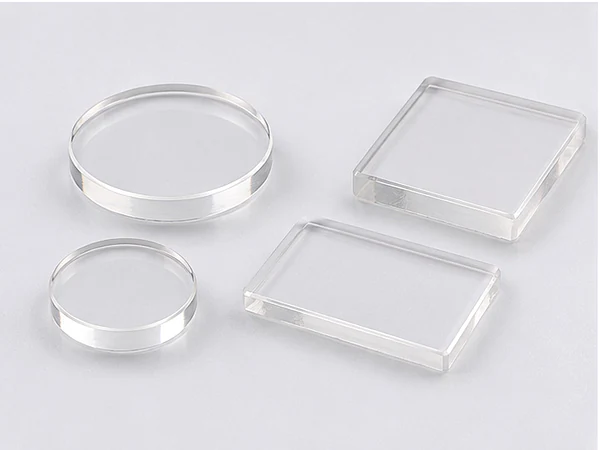
Request a Quote for Custom Sapphire Optical Windows
Provide the drawing, crystal orientation, diameter or rectangular dimensions, thickness and tolerance, parallelism, surface quality, flatness, clear aperture, edge or chamfer, operating wavelength, UV/VIS/NIR/IR coating requirement, quantity and inspection requirement. For pressure use, also provide the unsupported aperture, mounting and sealing method, temperature, medium, pressure differential, load duration and safety factor.