
Total Internal Reflection Prism
Total Internal Reflection Prisms are precision optical components designed to redirect or fold a light beam using total internal reflection at an internal surface, without requiring a metallic or dielectric mirror coating. By exceeding the critical angle at the reflecting surface, these prisms achieve high reflectance and low loss across a broad wavelength range. Chenyu Optics manufactures TIR prisms in N-BK7, fused silica and optical glass, uncoated or with custom AR coatings on the transmitting surfaces.
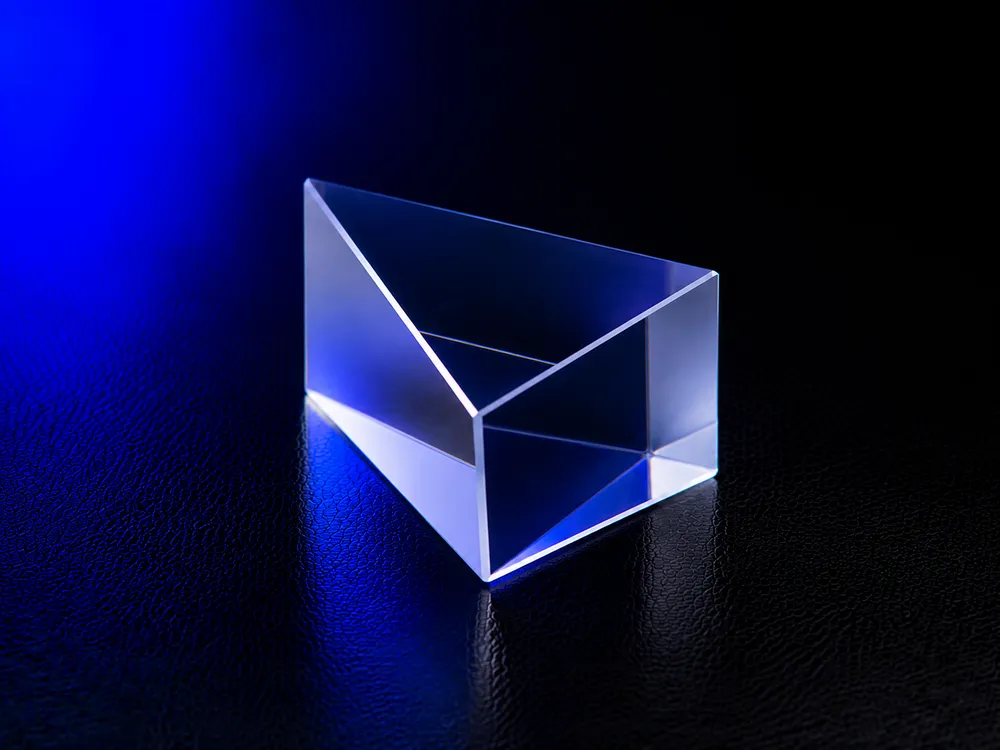
Total Internal Reflection Prism Overview
Total Internal Reflection Prisms are precision optical components designed to redirect or fold a light beam using total internal reflection at an internal surface, without requiring a metallic or dielectric mirror coating.
By exceeding the critical angle at the reflecting surface, these prisms achieve high reflectance and low loss across a broad wavelength range, avoiding the absorption and durability concerns associated with reflective coatings. They are widely used in imaging systems, periscopes, binoculars, beam-folding assemblies and precision optical instruments.
Chenyu Optics supports custom TIR prism manufacturing according to customer drawings, including custom dimensions, angle configuration, material and coating design for prototype and repeat production.
Key Advantages of Total Internal Reflection Prism
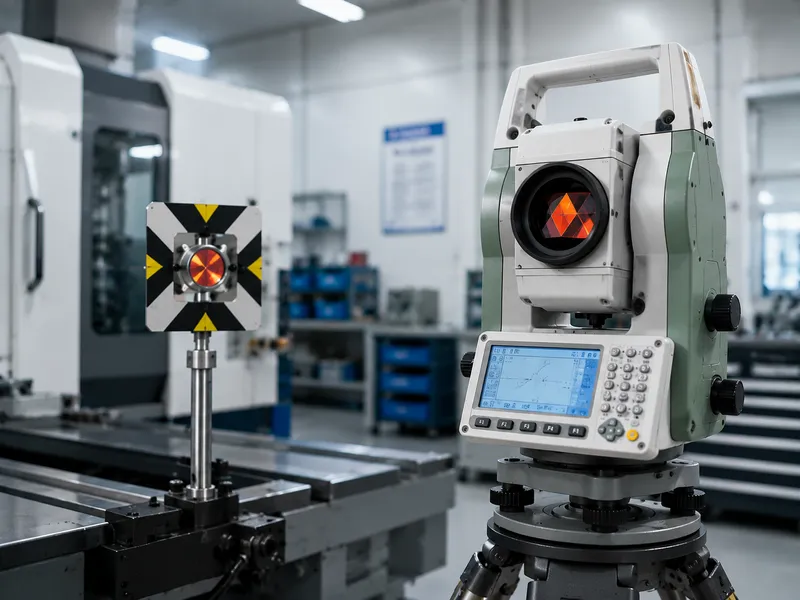
Imaging & Beam-Folding Systems
Total internal reflection prisms are widely used for beam redirection in imaging systems, periscopes, binoculars and beam-folding optical assemblies.
Typical Specifications of Total Internal Reflection Prism
| Material Options | N-BK7, Fused Silica, Optical Glass |
|---|---|
| Optical Function | Beam folding / Redirection via TIR |
| Reflection Mechanism | Total internal reflection, no coating required |
| Dimensions | Customized |
| Transmission | High optical transmission on entrance/exit faces |
| Angular Tolerance | ±1 arc minute (typical, tighter available) |
| Surface Accuracy | λ/4 – λ/10 @ 633 nm |
| Surface Quality | 20-10 / 40-20 scratch-dig |
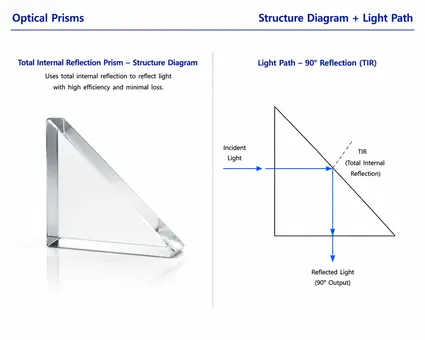
Prism Structure & Light Path Diagram
Why Choose Chenyu Optics for Total Internal Reflection Prism
Chenyu Optics focuses on drawing-based precision prism manufacturing for imaging, instrumentation and beam-folding optical systems. We support prototype verification, small-batch production and repeat manufacturing for non-standard TIR prisms.

Manufacturing Capability for Total Internal Reflection Prism
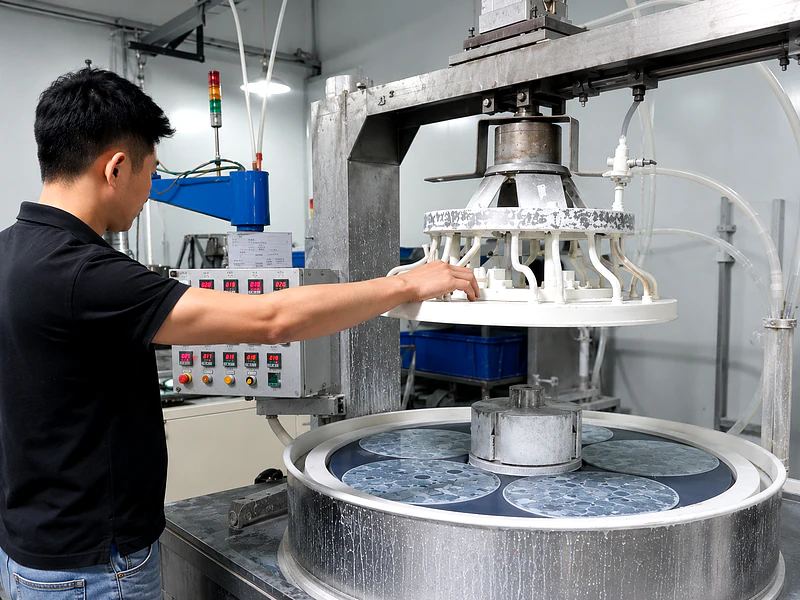
Precision Grinding & Polishing
Precise angular control and surface polishing to achieve accurate TIR angles and stable beam-folding performance.
Optical Coating
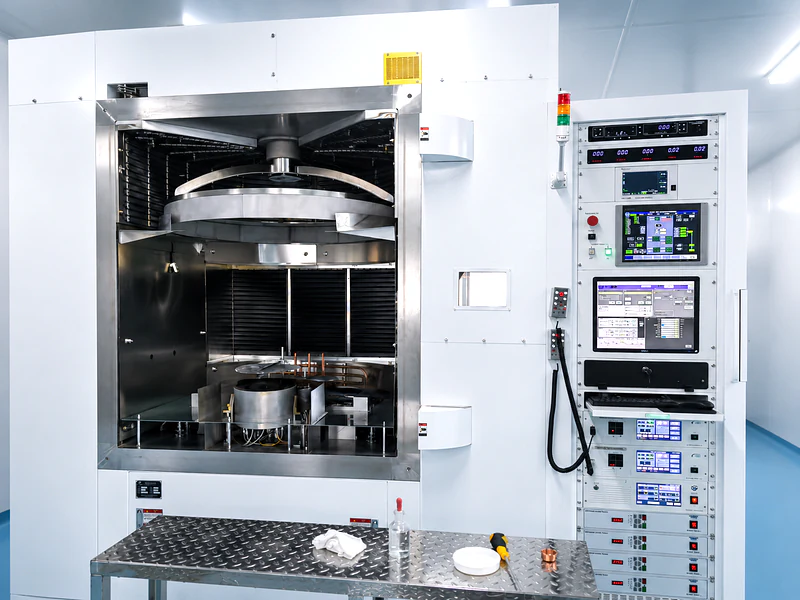
Custom AR coating options for the entrance and exit faces, optimized for imaging and instrumentation applications.
Inspection & Packaging
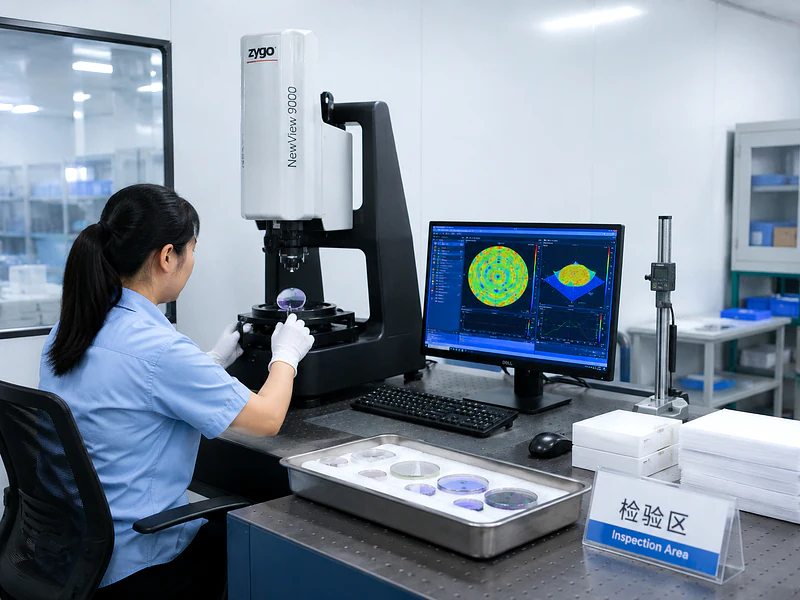
Angular inspection, surface review, optical performance checking and protective packaging before shipment.
Custom Manufacturing Options for Total Internal Reflection Prism
Dimensions & Angle Configuration
Custom dimensions and internal angle configuration can be manufactured according to customer drawings and beam-folding requirements.
Material & Optical Quality
Material selection, angular tolerance, surface accuracy and surface quality can be optimized according to system requirements.
Coating & Wavelength Design
Uncoated or custom AR coatings can be specified for the transmitting surfaces according to imaging or instrumentation requirements.
Prism Type Comparison
| TIR / Right Angle Prism | Corner Cube Retroreflector | Penta Prism | Dispersion Prism | |
|---|---|---|---|---|
| Primary Function | 90° beam folding via total internal reflection | Retroreflects light back parallel to the incident beam | Deviates a beam by exactly 90° without image reversal | Disperses light into its spectral components |
| Number of Reflecting Surfaces | One TIR surface | Three mutually perpendicular surfaces | Two internal reflecting surfaces (often coated) | None (refraction only) |
| Coating Requirement | None on the TIR surface | None on the TIR surfaces (for suitable angles) | Typically requires reflective coating | Not applicable |
| Typical Applications | Beam folding, periscopes, imaging systems | Alignment, retroreflection, laser ranging | Precision 90° deviation without reversal, surveying | Spectroscopy, spectrometers, monochromators |
Applications of Total Internal Reflection Prism
Imaging Systems
Beam folding for compact imaging system design.
Periscopes
Reliable beam redirection for periscope optics.
Binoculars & Telescopes
High-efficiency beam folding for viewing instruments.
Beam-Folding Assemblies
Compact optical path folding for system integration.
Optical Instruments
Precision beam redirection for instrument optics.
Laser Systems
Low-loss beam folding for laser optical paths.
Total Internal Reflection Prism FAQ
What is total internal reflection in a prism?
Total internal reflection occurs when light hits an internal surface at an angle greater than the critical angle, causing it to fully reflect without needing a mirror coating.
Why don't TIR prisms need a reflective coating?
Above the critical angle, the internal surface reflects nearly 100% of the incident light through total internal reflection, eliminating the need for a metallic or dielectric coating.
What are common uses of TIR prisms?
They are commonly used for beam folding in imaging systems, periscopes, binoculars, and other optical instruments.
Can TIR prisms be customized?
Yes. Chenyu Optics provides customized dimensions, angle configurations, materials, and AR coating options.
What information should I provide for a quotation?
Please provide dimensions, angle configuration, material, surface quality, coating requirement, quantity and drawing if available.
Where can I learn more about prism design?
Additional information on prism design can be found from Edmund Optics.
Related Products for Total Internal Reflection Prism
Need Custom Total Internal Reflection Prisms?
Send us your drawing, dimensions, angle configuration, material and coating requirements. Chenyu Optics will review the optical and mechanical specifications and provide a suitable TIR prism manufacturing suggestion.