
Laser Lens
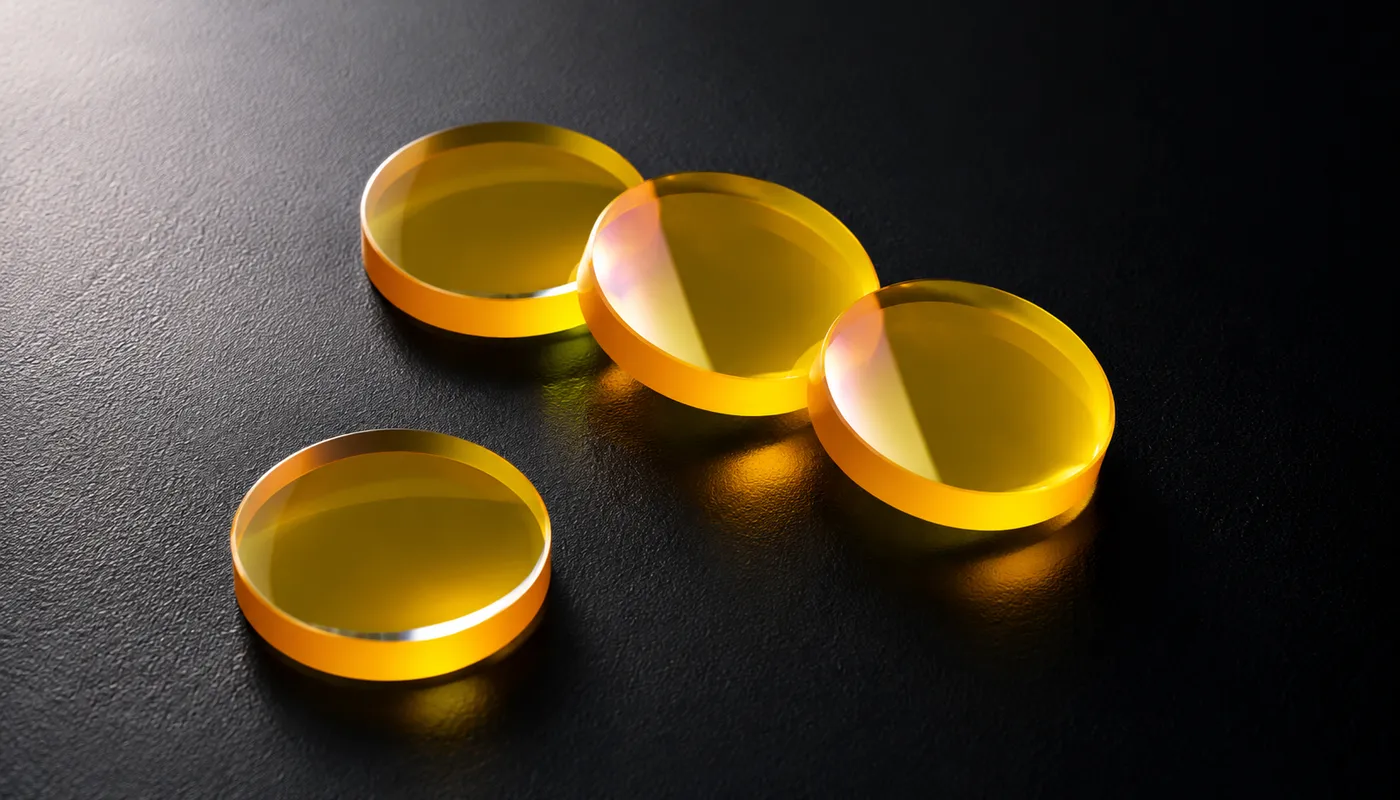
Laser Lenses are precision components designed for focusing, collimation and beam control. High-performance optical materials provide high laser transmission, low absorption, high damage threshold and accurate focusing performance.
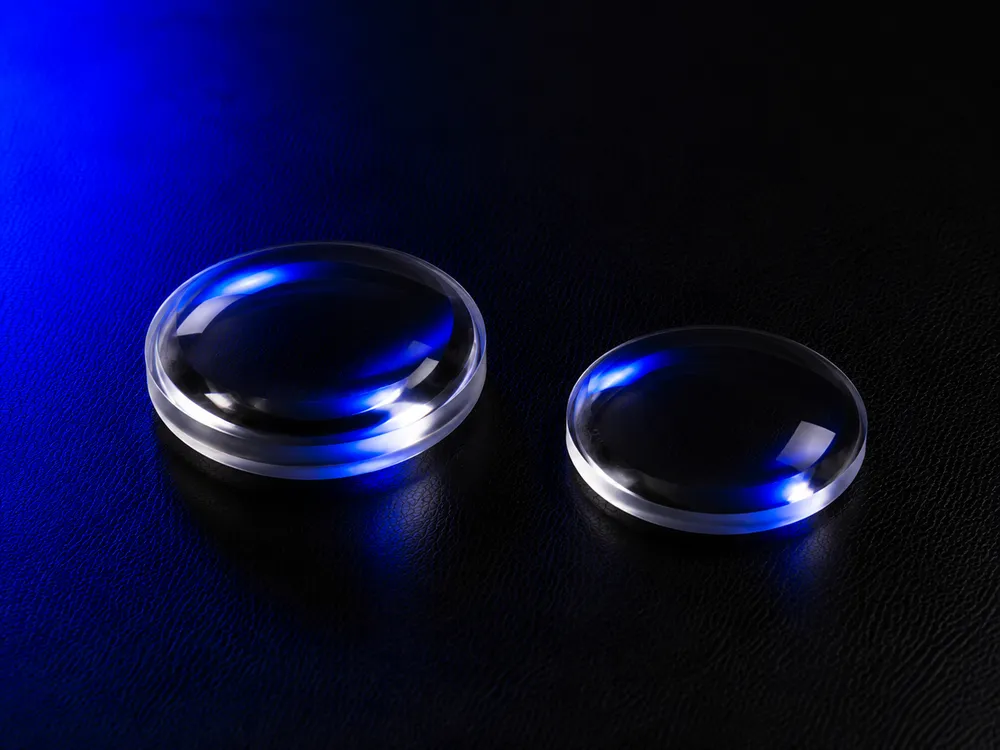
Laser Lens Overview
Laser Lenses are precision protective optical components manufactured from high-purity fused silica (SiO₂). The material provides excellent ultraviolet transmission, low optical absorption and stable performance across UV, visible and near-infrared wavelengths.
Chenyu Optics manufactures laser lenses from fused silica, optical glass, calcium fluoride (CaF₂), zinc selenide (ZnSe) and zinc sulfide (ZnS) for UV, visible, near-infrared and infrared laser systems.
Each laser lens can be customized according to wavelength, CW or pulsed operation, power density, diameter, focal length, radius of curvature, surface requirements and coating specifications.
Key Advantages of Laser Lenses
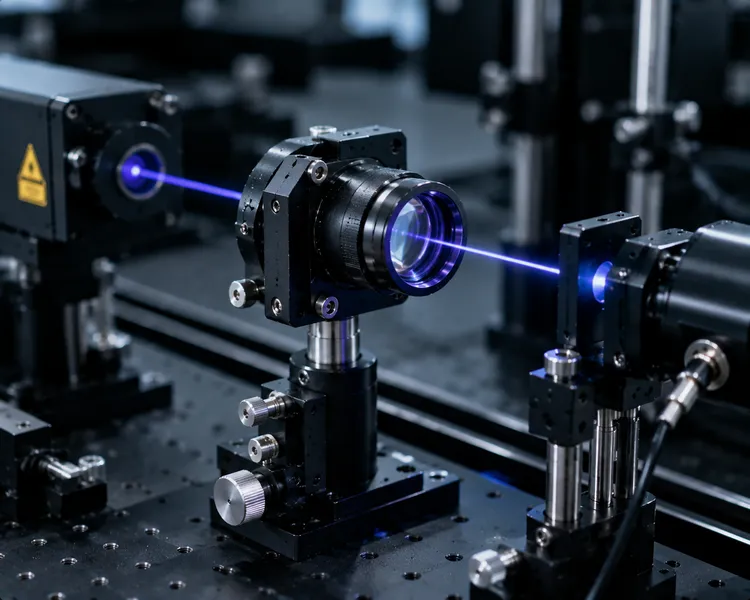
Laser Focusing, Collimation & Beam Control
Laser lenses provide precise focusing, collimation and beam shaping for cutting, marking, welding, processing and scientific laser systems.
Typical Specifications of Laser Lens
| Material | Fused Silica / Optical Glass / CaF₂ / ZnSe / ZnS |
|---|---|
| Optical Function | Laser focusing / Beam shaping / Optical imaging |
| Lens Type | Laser Lens |
| Transmission Range | UV / VIS / NIR / IR, material dependent |
| Diameter | Customized |
| Focal Length | Customized |
| Radius of Curvature | Customized |
| Laser Compatibility | Customized according to wavelength and power |
| Surface Accuracy | λ/10 @ 633 nm |
| Surface Quality | 20-10 / 40-20 scratch-dig |
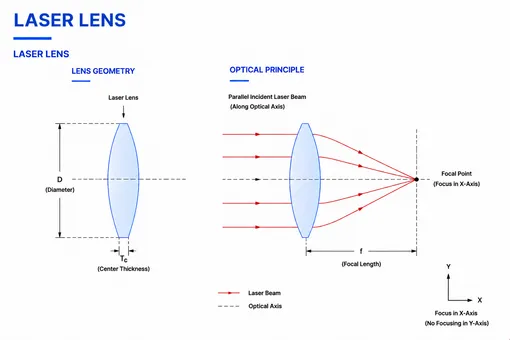
Laser Lens Geometry & Optical Principle
Why Choose Chenyu Optics for Laser Lenses
Chenyu Optics supports drawing-based laser lens manufacturing for laser, ultraviolet, sensing and aerospace optical systems, from prototype verification through repeat production.
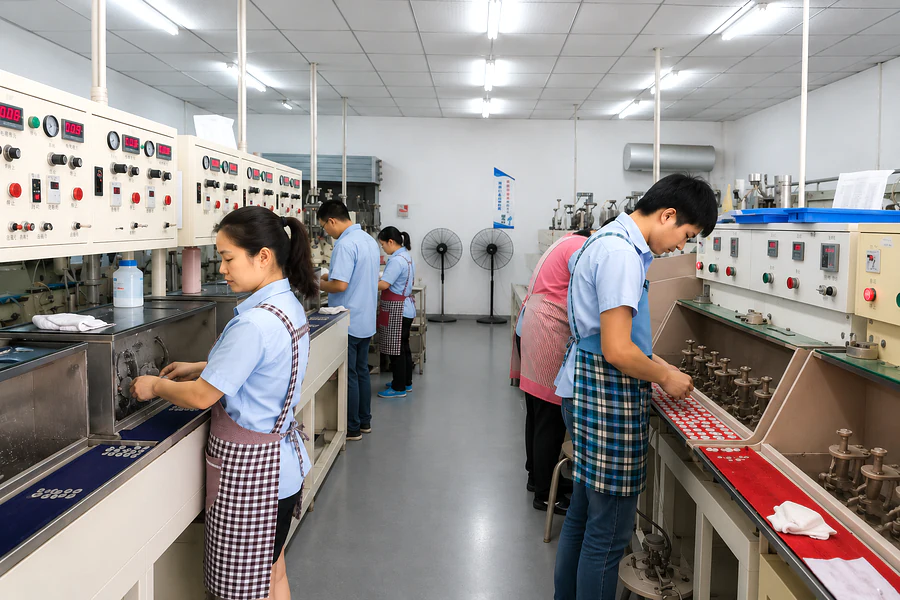
Manufacturing Capability for Laser Lenses
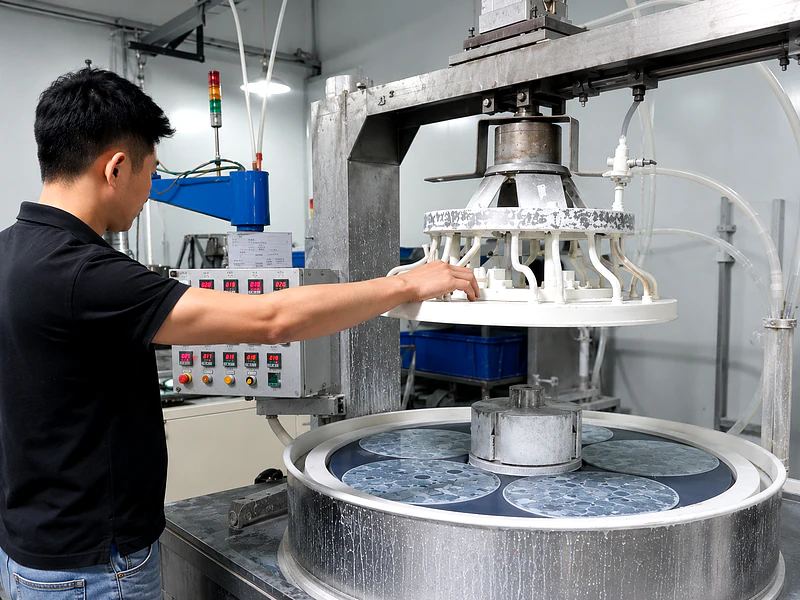
Precision Lens Polishing
Controlled laser lens shaping and polishing for custom curvature, wall thickness, surface accuracy and surface quality.
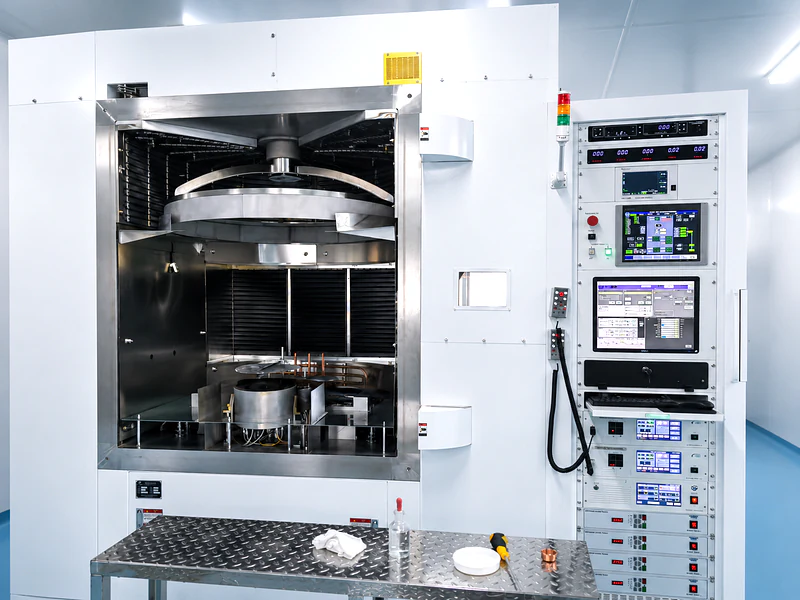
Optical AR Coating
UV, VIS, NIR, MWIR and LWIR coatings designed for the selected material, wavelength and incident angle.
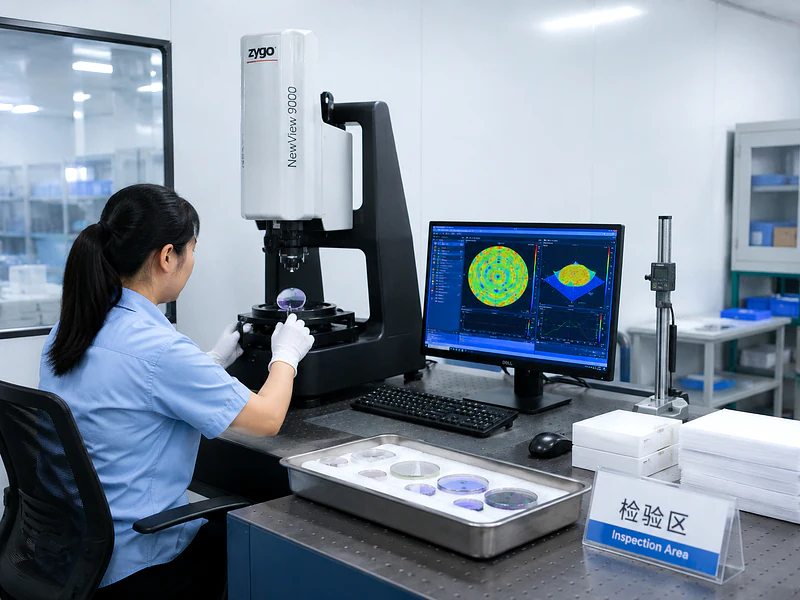
Inspection & Packaging
Dimensional, surface and optical inspection followed by clean handling and protective packaging for precision optical lenses.
Coating Options for Laser Lenses
Laser AR Coating
Optimized for the specified laser wavelength to reduce reflection, improve transmission and support the required power density.
UV, VIS & NIR AR Coatings
Wavelength-specific coatings for ultraviolet, visible and near-infrared laser systems.
IR & Custom Laser Coatings
Designed according to wavelength, power density, pulse duration, incident angle and application requirements.
Laser Lens Coating Selection
| Option | Typical Range | Recommended Use | Design Note |
|---|---|---|---|
| Uncoated | Material-dependent range | Broadband systems and prototypes | Natural surface reflection remains |
| UV AR | Customer-specified UV range | UV imaging, sensing and laser systems | Specify operating wavelength and laser conditions |
| VIS AR | Visible wavelength range | Imaging and optical sensor systems | Reduces visible surface reflection |
| NIR AR | Near-infrared wavelength range | NIR imaging and detection systems | Optimized for the specified incident angle |
| Custom AR | Customer specified | Laser and multispectral systems | Specify wavelength, AOI, power and environment |
Applications of Laser Lenses
Laser Cutting
Precision focusing optics for industrial cutting systems.
Laser Marking
Stable beam focusing for high-accuracy marking equipment.
Laser Welding
Low-absorption lenses for high-power welding systems.
Laser Engraving
Controlled spot formation for engraving applications.
Laser Processing
Beam-control optics for material-processing equipment.
Optical Instruments
Precision laser optics for measurement instruments.
Industrial Lasers
Durable focusing lenses for production environments.
Scientific Research
Custom laser lenses for laboratory optical systems.
Laser Lens FAQ
What is a laser lens used for?
Laser lenses focus, collimate or shape laser beams in industrial and scientific optical systems.
Which materials are used for laser lenses?
Common materials include fused silica, optical glass, CaF₂, ZnSe and ZnS. Selection depends on laser wavelength and power requirements.
Are laser lenses suitable for high-power systems?
Yes. Suitable materials, surface quality and high-damage-threshold laser AR coatings support high-power applications.
Can laser lenses be customized?
Yes. Diameter, focal length, optical design, surface accuracy and wavelength-optimized coatings can be customized.
Handling & Manufacturing Notes


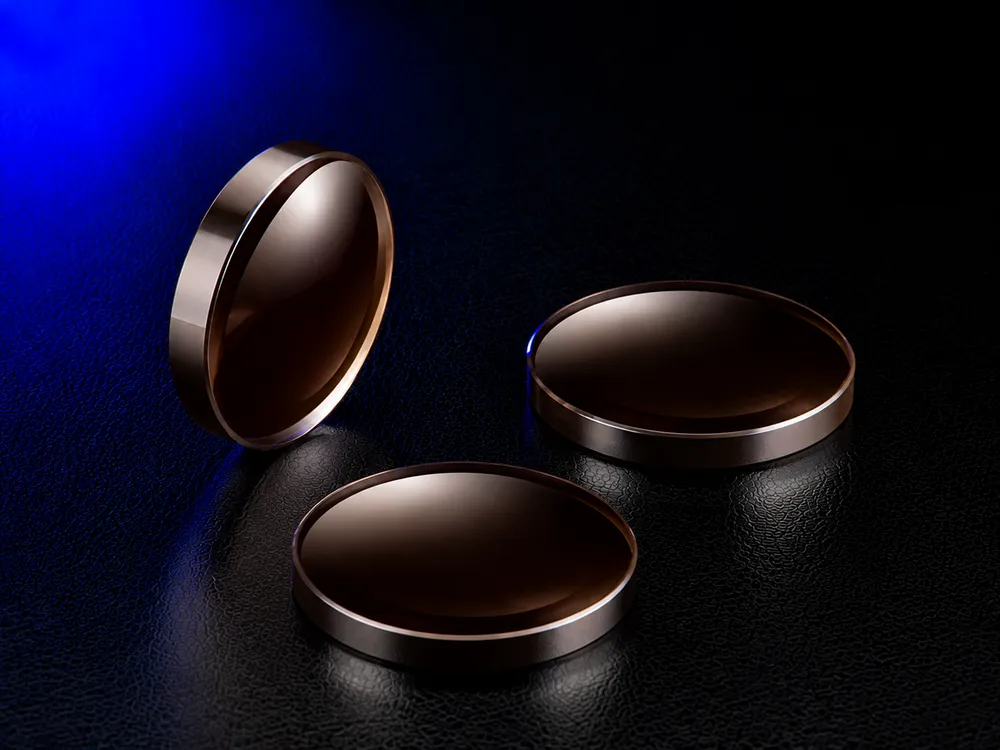
Need Laser Lenses for Precision Optical Systems?
Send us your laser wavelength, laser type (CW or pulsed), power or energy density, focal length, diameter, material preference, surface requirements, coating specification and quantity. Chenyu Optics will review the requirements and provide a suitable laser lens solution.