
Turning Mirror
Turning Mirrors are precision flat optical components designed to redirect an incident beam at a fixed angle, most commonly 45° or 90°, without introducing focusing power or beam distortion. Chenyu Optics manufactures turning mirrors in optical glass, fused silica and aluminum substrates, with aluminum, silver, gold or protected dielectric reflective coatings, for laser beam steering, optical path folding and instrumentation systems.
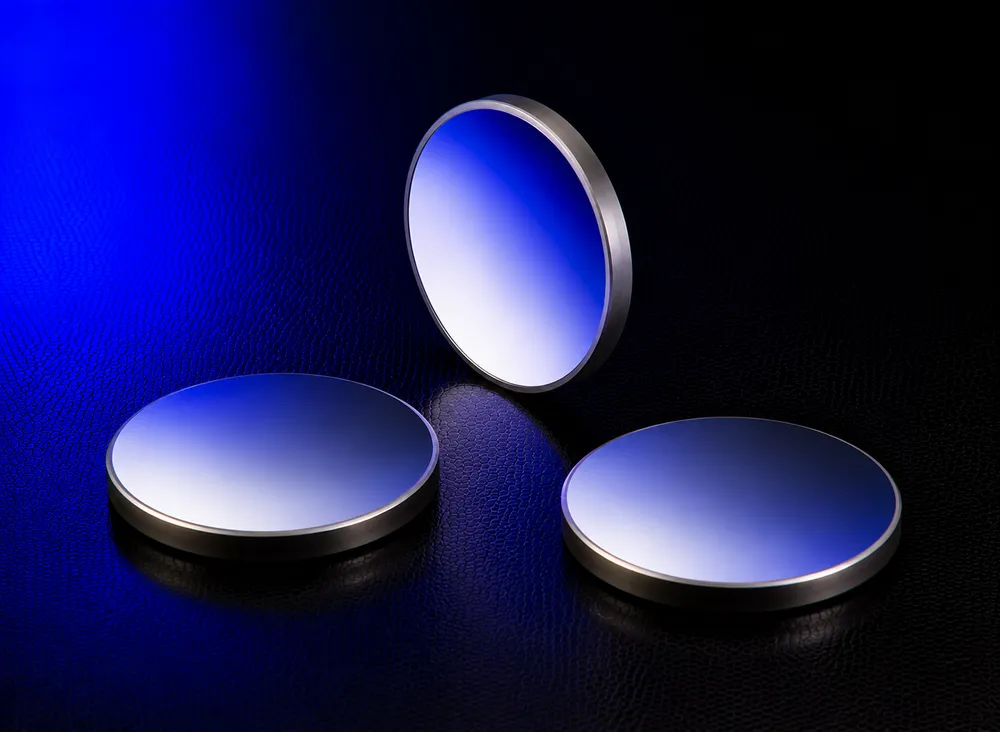
Turning Mirror Overview
Turning Mirrors are precision flat optical components designed to redirect an incident beam at a fixed angle, most commonly 45° or 90°, without introducing focusing power or beam distortion.
With a flat reflecting surface and a high-reflectance coating, turning mirrors provide efficient beam steering while preserving beam quality, divergence and wavefront shape. They are widely used in laser beam delivery systems, optical path folding, instrumentation and general-purpose beam-steering assemblies.
Chenyu Optics supports custom turning mirror manufacturing according to customer drawings, including custom dimensions, substrate material and coating design for prototype and repeat production.
Key Advantages of Turning Mirror
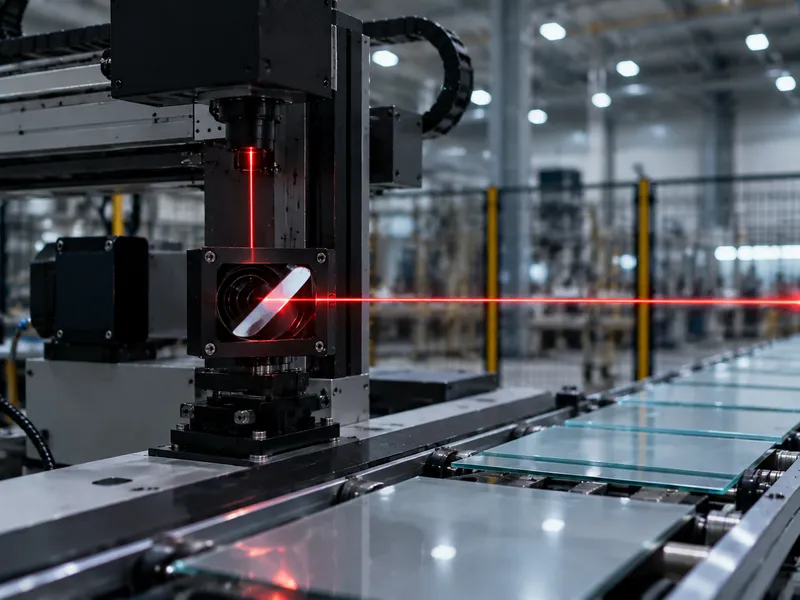
Laser Beam Delivery & Optical Path Folding
Turning mirrors are widely used for efficient beam steering in laser beam delivery systems, optical path folding assemblies and precision instrumentation.
Typical Specifications of Turning Mirror
| Substrate Options | Optical Glass, Fused Silica, Aluminum |
|---|---|
| Optical Function | Fixed-angle beam steering / Path folding |
| Coating Options | Aluminum, Silver, Gold, Protected Dielectric |
| Dimensions | Customized |
| Typical Angle of Incidence | 45° (customizable) |
| Flatness | λ/10 @ 633 nm (typical) |
| Surface Accuracy | λ/4 – λ/10 @ 633 nm |
| Surface Quality | 20-10 / 40-20 scratch-dig |
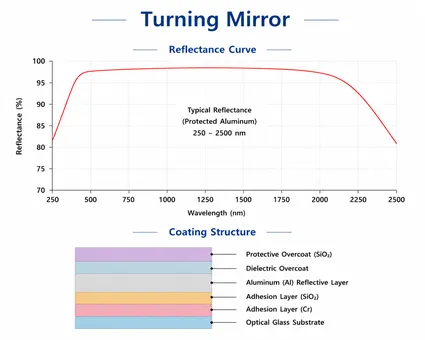
Reflectance Curve (Typical, by Coating)
Why Choose Chenyu Optics for Turning Mirror
Chenyu Optics focuses on drawing-based precision mirror manufacturing for laser, instrumentation and general optical beam-steering systems. We support prototype verification, small-batch production and repeat manufacturing for non-standard turning mirrors.
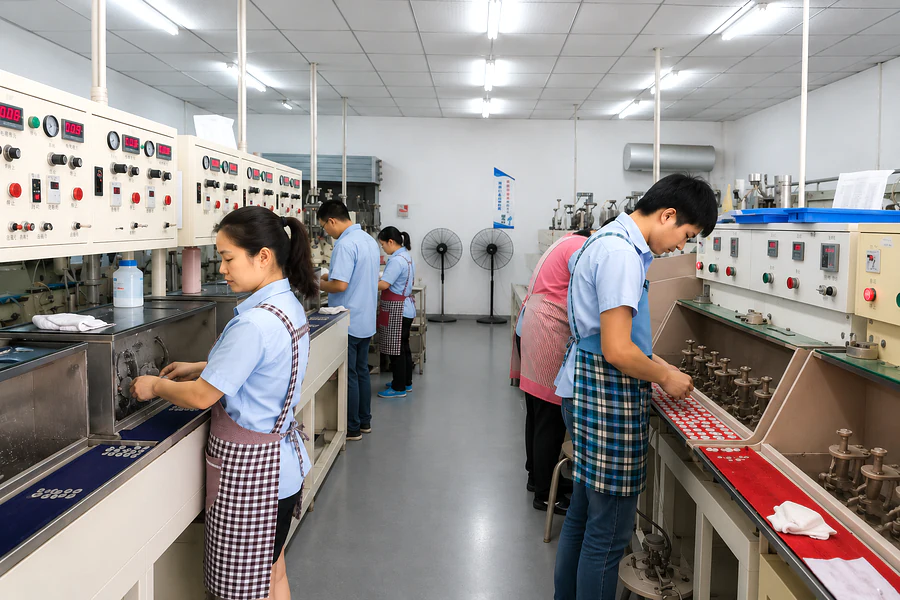
Manufacturing Capability for Turning Mirror
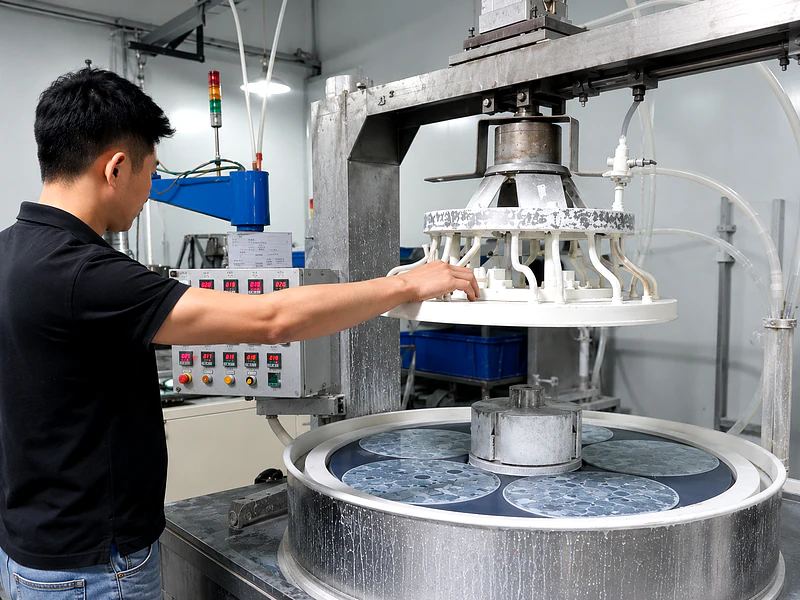
Precision Flatness Polishing
High surface flatness processing to preserve wavefront quality after reflection.
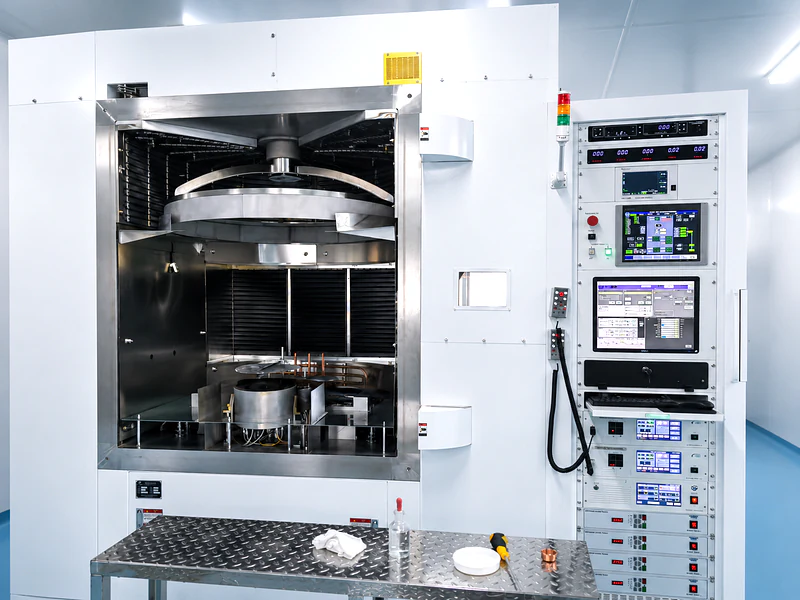
Reflective Coating
Aluminum, silver, gold and protected dielectric coating options for laser and instrumentation applications.
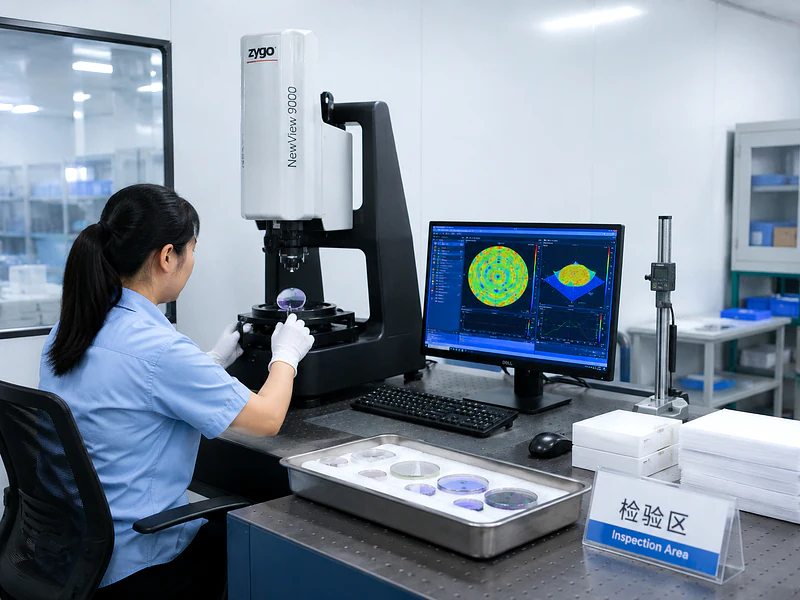
Inspection & Packaging
Flatness inspection, reflectance testing, optical performance checking and protective packaging before shipment.
Custom Manufacturing Options for Turning Mirror
Dimensions & Angle
Custom dimensions and angle of incidence can be manufactured according to customer drawings and beam-path requirements.
Substrate & Optical Quality
Substrate material, flatness and surface quality can be selected according to optical performance requirements.
Coating & Wavelength Design
Aluminum, silver, gold or protected dielectric coatings can be specified according to wavelength range and application requirements.
Mirror Type Comparison
| Turning Mirror | Parabolic Mirror | Ellipsoidal Mirror | Chirped Mirror | |
|---|---|---|---|---|
| Typical Shape | Flat | Parabolic | Ellipsoidal | Flat or near-flat |
| Primary Function | Fixed-angle beam steering, no added optical power | Aberration-free focusing/collimation of parallel rays | Point-to-point imaging between two conjugate foci | Group delay dispersion (GDD) compensation |
| Coating Complexity | Standard metallic or dielectric reflective coating | Standard metallic or dielectric reflective coating | Standard metallic or dielectric reflective coating | Highly engineered multilayer dielectric stack |
| Typical Applications | Beam steering, path folding, general instrumentation | Laser focusing, telescopes, spectrometers | Illumination systems, spectroscopy, laser pump cavities | Femtosecond lasers, pulse compressors, ultrafast optics |
Applications of Turning Mirror
Laser Beam Delivery Systems
Precise beam steering for laser beam delivery paths.
Optical Path Folding
Compact system integration through beam path folding.
Optical Instruments
Reliable beam redirection for instrument optics.
Machine Vision Systems
Stable beam steering for industrial vision applications.
Laser Processing Systems
High-reflectance beam steering for laser processing equipment.
Scientific Research Instruments
Precision beam-steering mirrors for research and laboratory setups.
Turning Mirror FAQ
What is the function of a turning mirror?
A turning mirror redirects an incident beam at a fixed angle, most commonly 45° or 90°, without adding focusing power.
How is a turning mirror different from a curved mirror?
A turning mirror is flat and only redirects the beam, while curved mirrors such as parabolic or ellipsoidal mirrors also focus or reimage light.
What coating options are available for turning mirrors?
Common coating options include aluminum, silver, gold, and protected dielectric coatings, selected according to wavelength and reflectance requirements.
Can turning mirrors be customized?
Yes. Chenyu Optics provides customized dimensions, substrate materials, angle of incidence, and coating options.
What information should I provide for a quotation?
Please provide dimensions, angle of incidence, substrate material, coating requirement, quantity and drawing if available.
Where can I learn more about mirror design?
Additional information on mirror design can be found from Edmund Optics.
Related Products for Turning Mirror
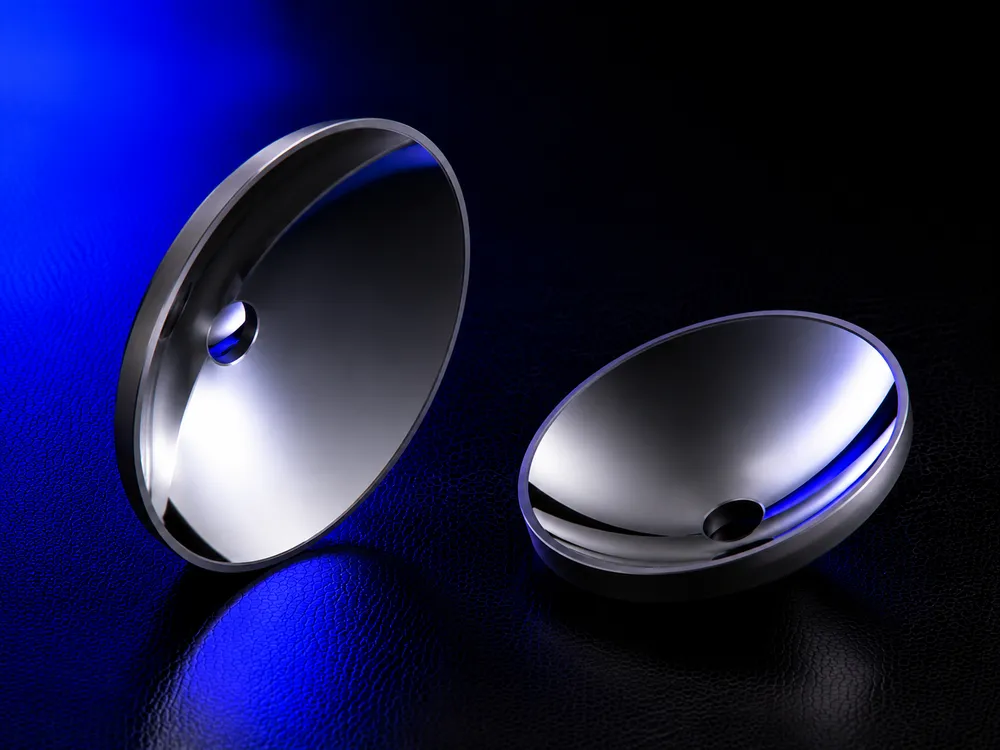
Need Custom Turning Mirrors?
Send us your drawing, dimensions, angle of incidence, substrate and coating requirements. Chenyu Optics will review the optical and mechanical specifications and provide a suitable turning mirror manufacturing suggestion.