
Negative Meniscus Lens
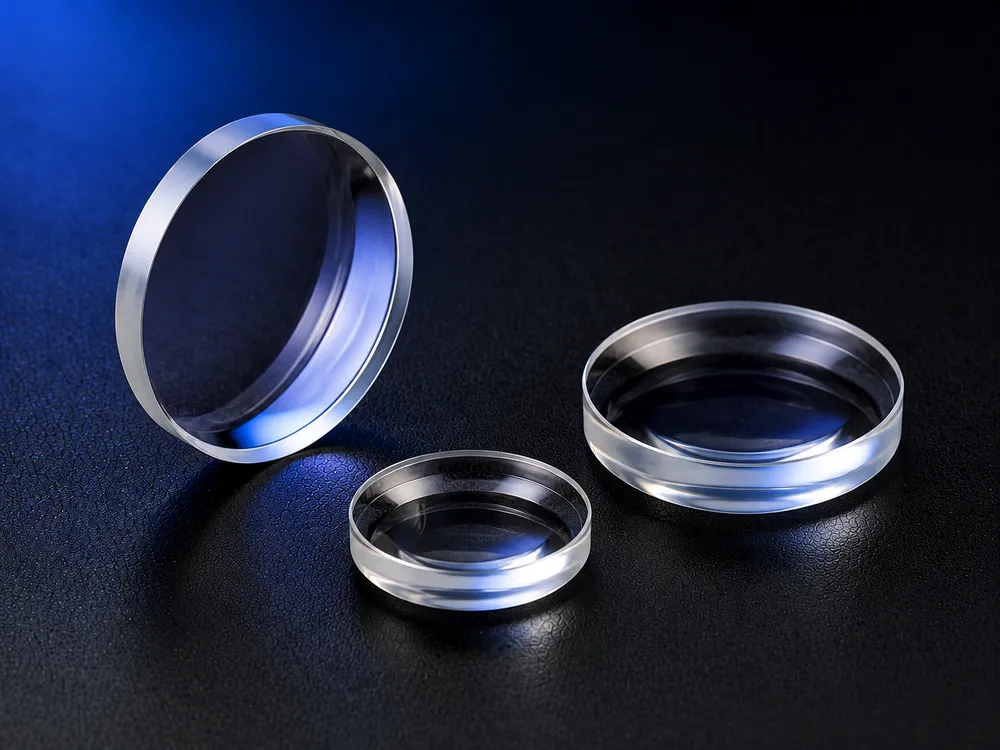
Chenyu Optics manufactures negative meniscus lenses with one concave and one convex surface. Available in N-BK7, fused silica and UV-grade fused silica, these negative-power lenses support laser beam expansion, imaging, scientific instruments and aberration-sensitive optical assemblies. Diameter, center thickness, focal length, tolerances and coatings can be specified to suit the application.
What Is a Negative Meniscus Lens?
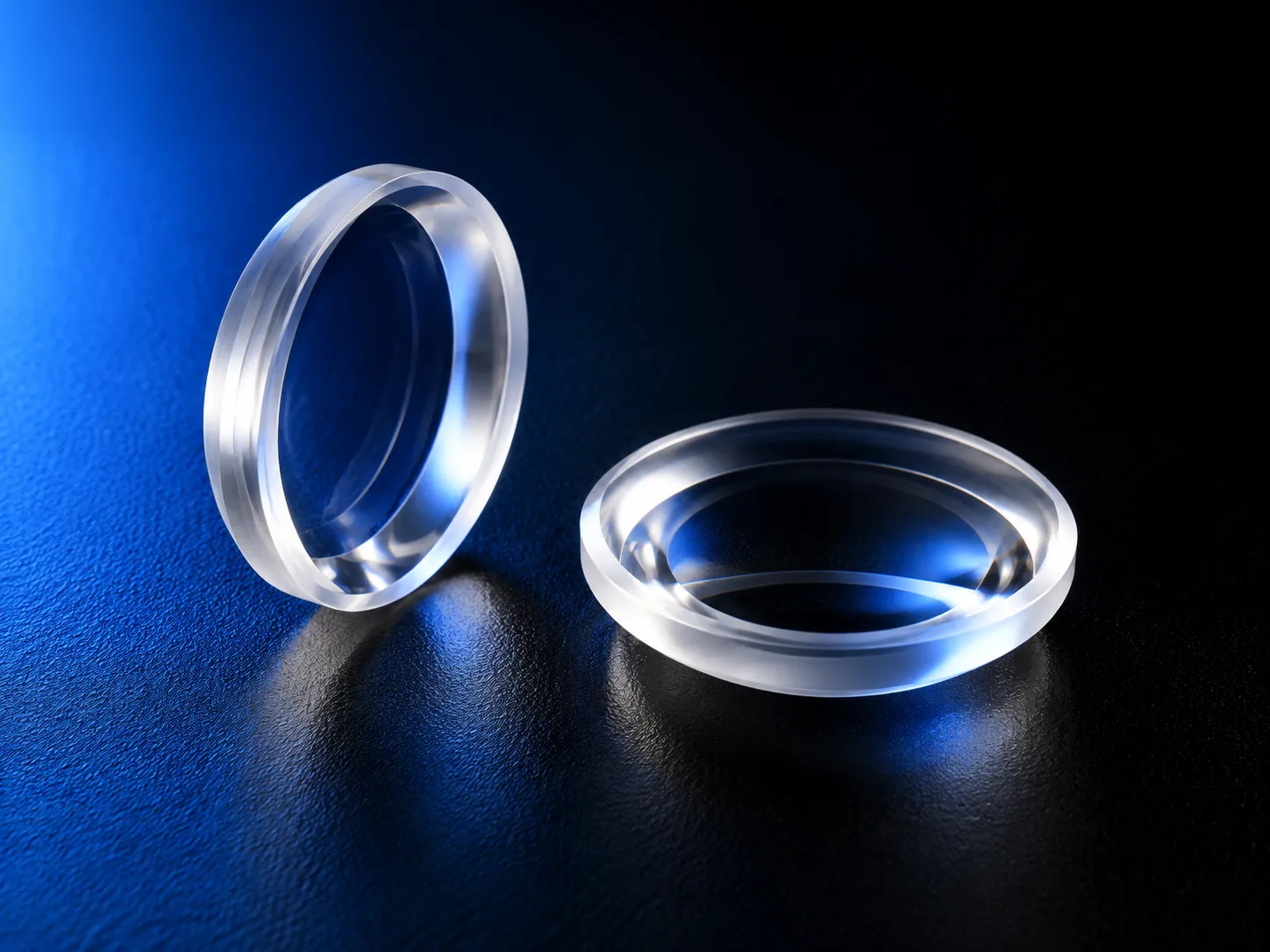
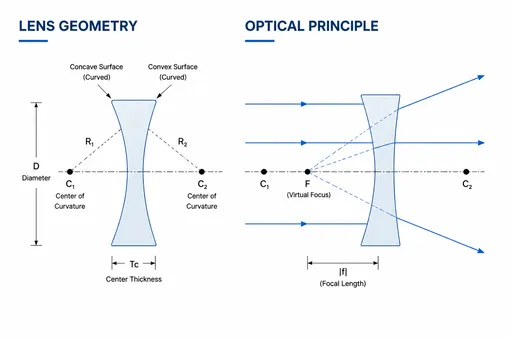
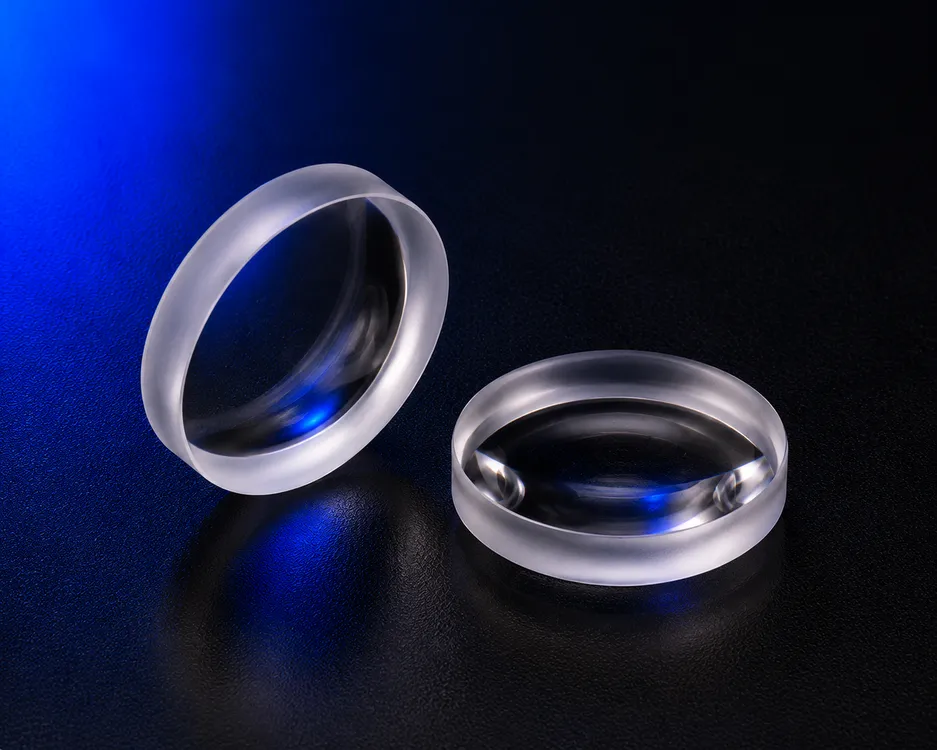
A negative meniscus lens is a diverging lens with one concave surface and one convex surface. Its center is thinner than its edge and its effective focal length is negative. Compared with a simple plano concave lens, the two curved surfaces give an optical designer more freedom to manage spherical aberration and the position of principal planes.
When correctly oriented and optimized for the conjugates, negative meniscus geometry can provide controlled beam expansion while limiting added aberration. It is therefore useful in laser expanders, imaging lens groups, relay optics and scientific instruments.
Chenyu Optics manufactures these lenses to customer drawings. See our broader Optical Lenses range or discuss a non-standard design with our engineering team.
Key Benefits
Beam Expansion & Aberration Control
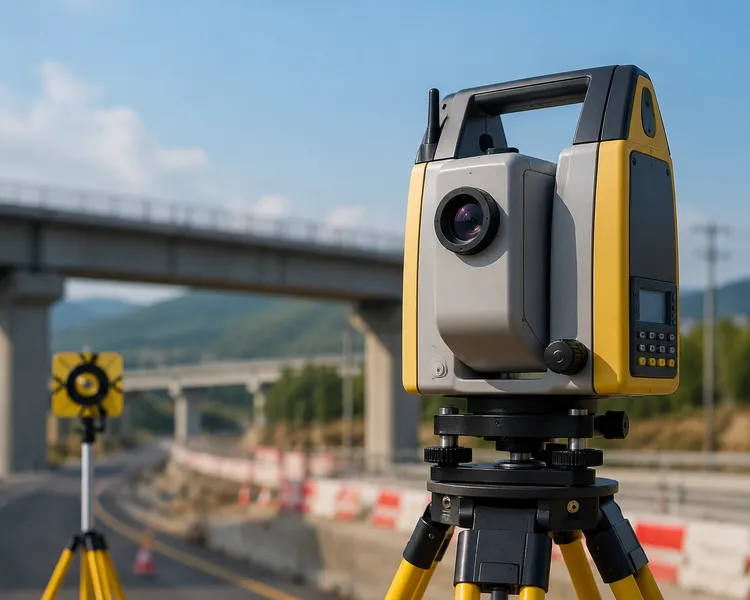
The lens adds negative optical power while its curved entrance and exit surfaces can be optimized for the beam path and conjugates.
Negative Meniscus Lens Specifications
The values below describe typical available options. Final capability depends on material, diameter, curvature, center thickness and quantity and is confirmed during drawing review.
| Available materials | N-BK7 or equivalent optical glass; fused silica; UV-grade fused silica; other optical glasses on request |
|---|---|
| Diameter range | Custom, drawing-defined; manufacturability confirmed according to material and geometry |
| Center thickness | Custom, drawing-defined; must be reviewed with diameter, radii and edge thickness |
| Focal length range | Custom negative EFL/BFL according to optical design and selected material |
| Diameter tolerance | Typically ±0.10 mm to ±0.01 mm, depending on size and geometry |
| Center thickness tolerance | Drawing-defined; standard or precision tolerance available after DFM review |
| Surface quality | 60-40, 40-20, 20-10 or laser-grade 10-5 scratch-dig, application-dependent |
| Surface figure / flatness | Up to λ/10 at 632.8 nm where geometry and material permit; curved surfaces are specified by surface figure rather than flatness |
| Centration | Within a few arcminutes available; final value depends on diameter, curvature and edge geometry |
| Coating options | Uncoated, UV AR, VIS AR, NIR AR, BBAR, laser-line AR and custom wavelength coatings |
| Typical applications | Laser beam expanders, divergence control, imaging lens groups, relay optics, optical instruments and research systems |
| Custom manufacturing | Custom material, radii, diameter, center/edge thickness, focal length, clear aperture, bevel, surface quality, centration and coating; prototype to repeat production |
* These are typical capability statements, not guaranteed values for every design. Submit a drawing for a tolerance and manufacturability review.
Lens Geometry & Optical Principle
Custom Negative Meniscus Lens Manufacturing
We review the complete optical and mechanical specification before production so that curvature, thickness, edge form and coating remain compatible. For broader engineering support, visit Custom Optical Components and Precision Manufacturing.

Manufacturing and Inspection Capabilities
Grinding & Polishing
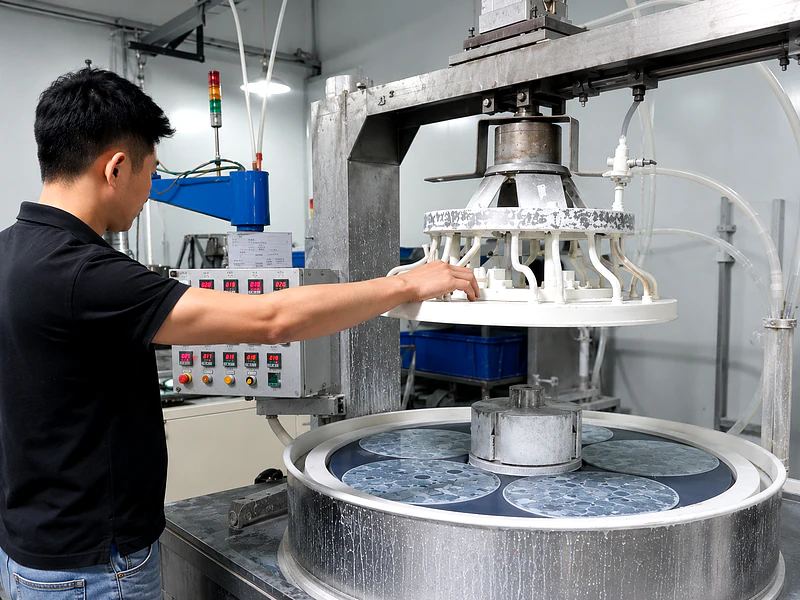
Drawing-based generation and polishing of both spherical surfaces with controlled radii, center thickness and surface figure.
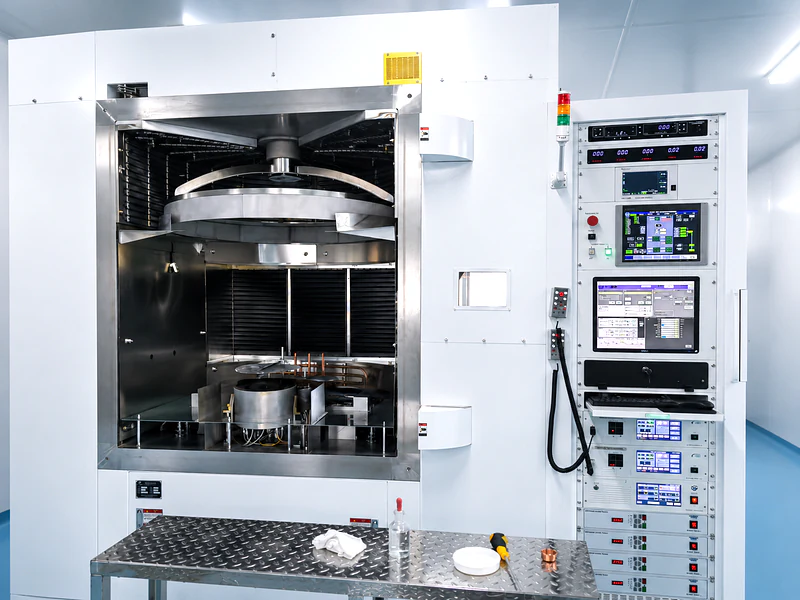
Optical Coating
AR and BBAR options matched to substrate, wavelength band, angle of incidence and laser requirements.
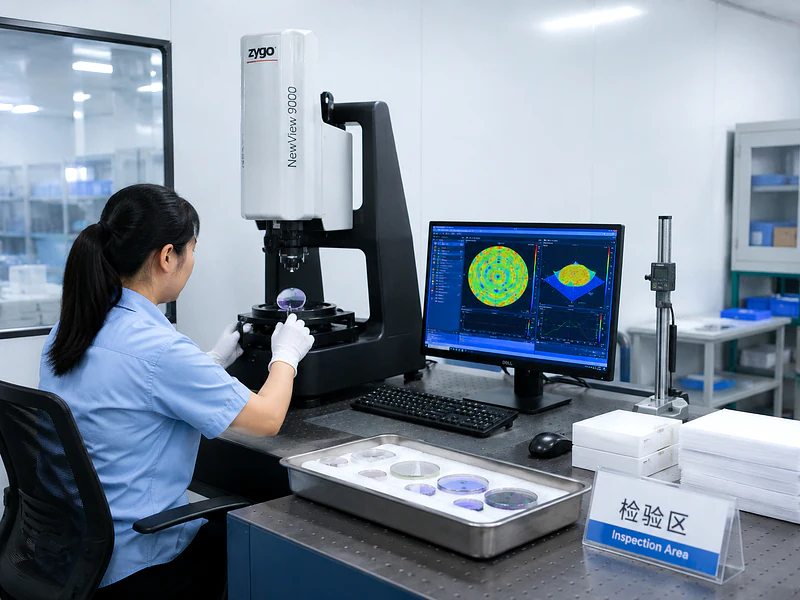
Inspection & Packaging
Dimensional, cosmetic, centration and optical checks to the agreed drawing, followed by clean handling and protective packaging.
Negative Lens Shape Comparison
| Lens type | Surface geometry | Optical power | Typical selection reason |
|---|---|---|---|
| Negative Meniscus | One concave and one convex surface | Negative | Additional design freedom for aberration control and principal-plane placement |
| Plano Concave Lens | One flat and one concave surface | Negative | Simple beam expansion and divergence with easy mounting/reference surface |
| Double Concave Lens | Two concave surfaces | Negative | Symmetrical negative-power element for beam spreading and lens groups |
Typical Applications
Laser Beam Expanders
Negative input element for Galilean beam-expansion layouts.
Divergence Control
Controlled spreading of collimated or converging light.
Imaging Lens Groups
Negative power and aberration balancing within multi-element designs.
Relay Optics
Focal-length and pupil-position control in optical relays.
Optical Instruments
Custom elements for measurement and analytical equipment.
Scientific Research
Drawing-defined optics for laboratory and experimental systems.
Negative Meniscus Lens FAQ
What is a negative meniscus lens?
A negative meniscus lens is a diverging optical lens with one concave surface and one convex surface. It is thinner at the center than at the edge and has a negative effective focal length.
What is the difference between a negative meniscus lens and a plano-concave lens?
A negative meniscus lens has two curved surfaces, while a plano-concave lens has one flat and one concave surface. The meniscus form gives the designer more freedom to balance spherical aberration and position the principal planes; the best choice depends on the optical layout and conjugates.
Which materials are available?
Common options include N-BK7 or equivalent optical glass, fused silica and UV-grade fused silica. Other optical glasses can be reviewed for wavelength, refractive-index, environmental and cost requirements.
Can Chenyu Optics manufacture custom focal lengths?
Yes. Negative effective focal length and back focal length can be manufactured to customer drawings. Please provide the material, diameter, radii, center thickness, focal-length definition, tolerance and operating wavelength for review.
What coating options are available?
Options include uncoated surfaces, UV AR, visible AR, NIR AR, broadband AR and laser-line AR coatings. A custom design can be reviewed using the wavelength range, angle of incidence, polarization and laser-power information.
Need a Custom Negative Meniscus Lens?
Send the material, diameter, radii, center thickness, focal length, surface requirements, centration, coating, wavelength, quantity and drawing. We will review manufacturability and provide a quotation.