
Cold Mirror
Cold Mirrors are precision optical mirrors designed to reflect visible wavelengths while transmitting infrared radiation. They use multilayer dielectric coatings to selectively control spectral reflection and transmission. By reducing infrared energy within the reflected optical path, cold mirrors help minimize thermal load in illumination, projection, imaging and solar optical systems. Chenyu Optics manufactures cold mirrors in BK7 and fused silica with custom spectral response.
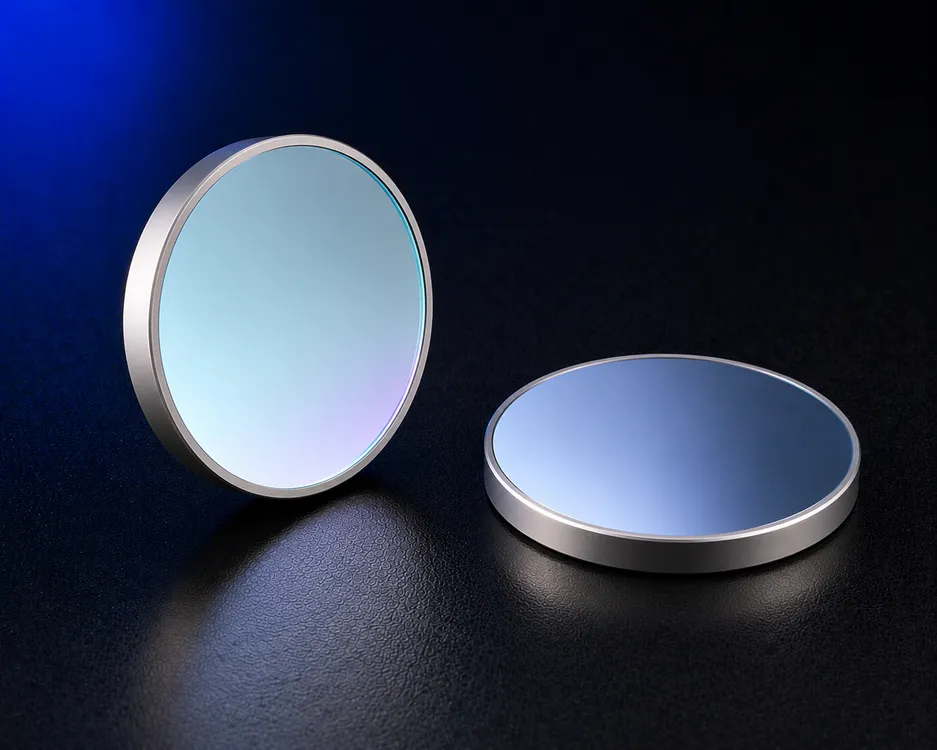
Cold Mirror Overview
Cold Mirrors are precision optical mirrors designed to reflect visible wavelengths while transmitting infrared radiation. They use multilayer dielectric coatings to selectively control spectral reflection and transmission.
By reducing infrared energy within the reflected optical path, cold mirrors help minimize thermal load and are widely used in illumination systems, projection systems, imaging equipment and solar optical applications.
Chenyu Optics supports custom cold mirror manufacturing according to customer drawings, including custom substrate material, dimensions, surface accuracy and spectral coating design for prototype and repeat production.
Key Advantages of Cold Mirror
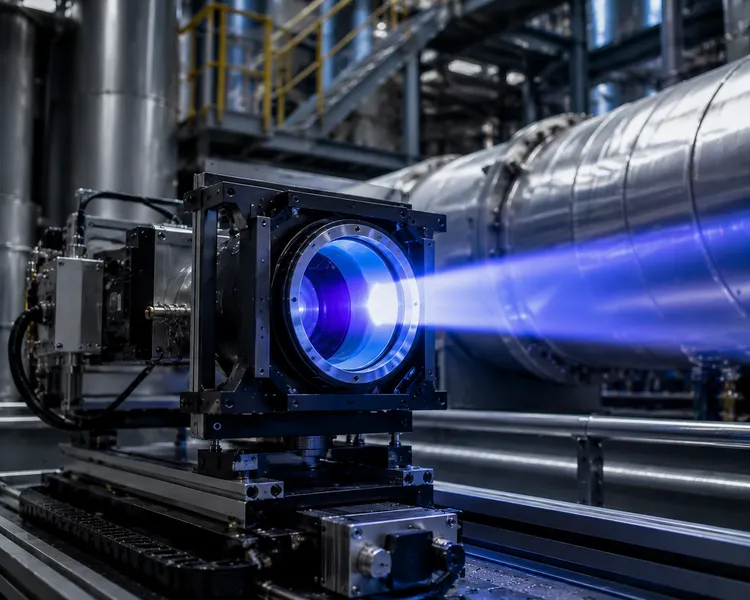
Illumination & Projection Systems
Cold mirrors are widely used for thermal management in illumination systems, projection optical systems and solar optical applications requiring reduced heat accumulation.
Typical Specifications of Cold Mirror
| Material Options | BK7, Fused Silica |
|---|---|
| Coating Type | Cold mirror dielectric coating |
| Optical Function | Visible reflection / Infrared transmission |
| Reflection Range | Visible wavelength region |
| Transmission Range | Infrared wavelength region |
| Surface Accuracy | Up to λ/10 @ 633 nm |
| Surface Quality | 20-10, 40-20 scratch-dig |
| Coating Performance | Precision controlled |
| Dimensions | Custom sizes and shapes available |
| Edge Treatment | Ground, chamfered or polished |
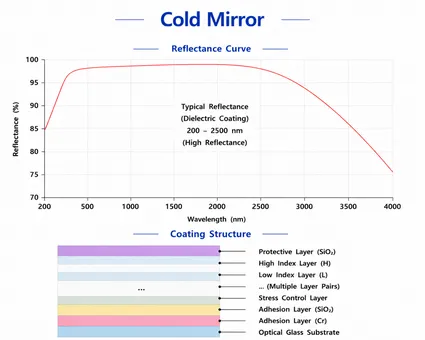
REFLECTANCE CURVE (TYPICAL, BY COATING)
Why Choose Chenyu Optics for Cold Mirror
Chenyu Optics focuses on drawing-based precision mirror manufacturing for illumination, projection, imaging and industrial optical systems. We support prototype verification, small-batch production and repeat manufacturing for non-standard cold mirrors.
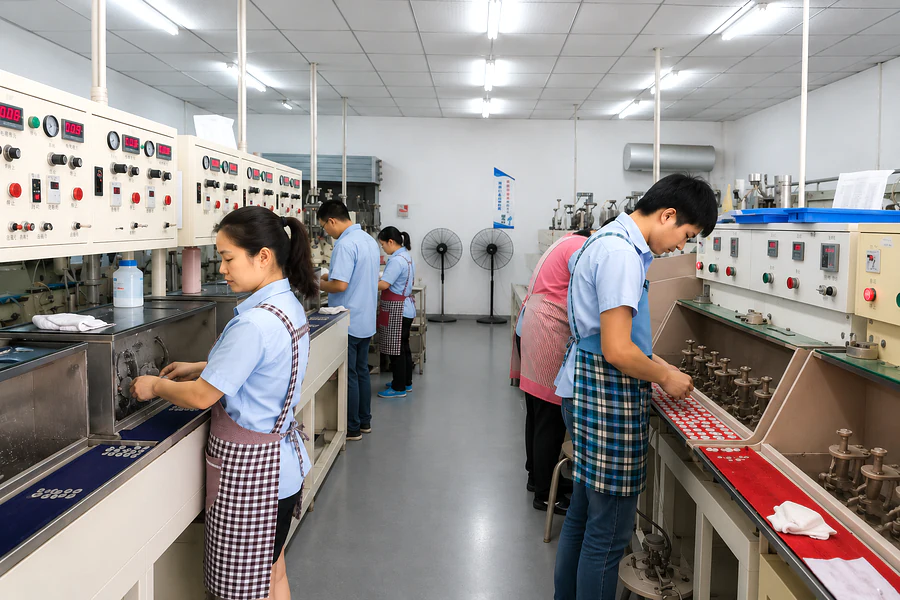
Manufacturing Capability for Cold Mirror
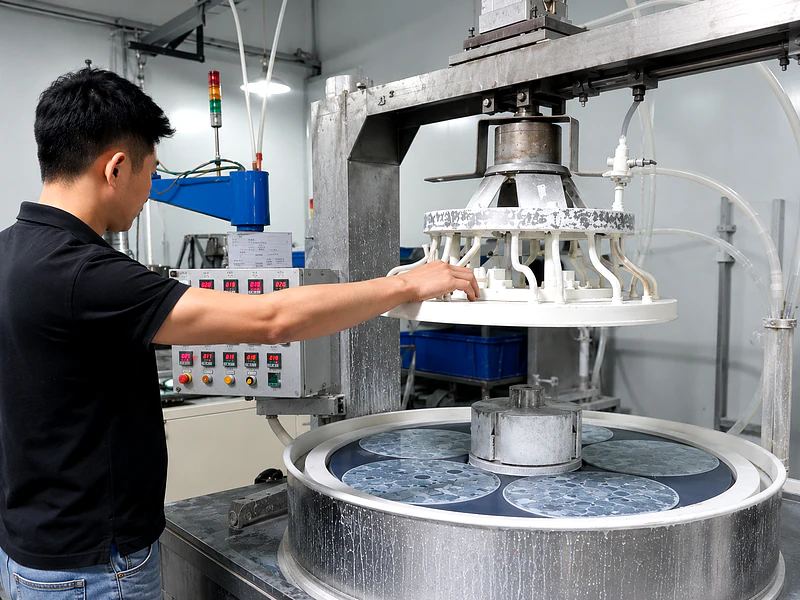
Precision Polishing
Controlled polishing for surface accuracy, surface quality and low-scatter surfaces required for stable spectral performance.
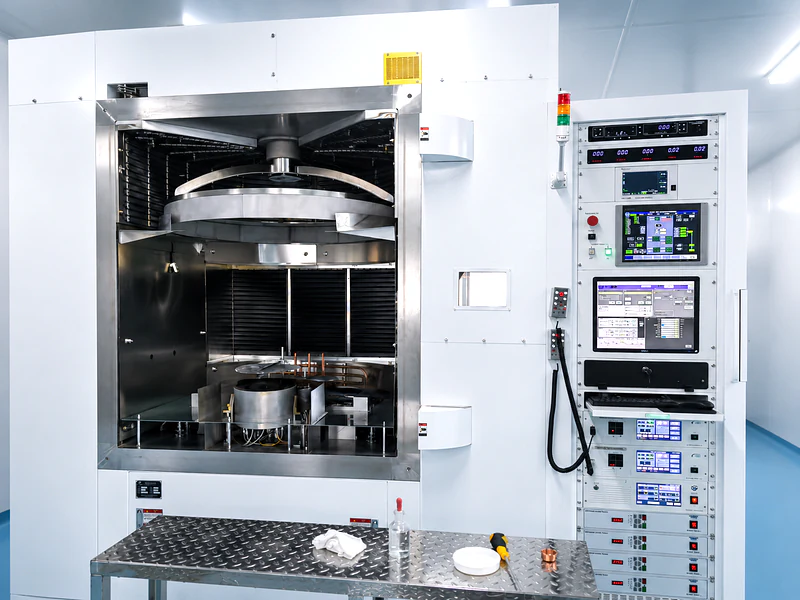
Dielectric Spectral Coating
Cold mirror dielectric coatings with precision-controlled layer design for visible reflection and infrared transmission.
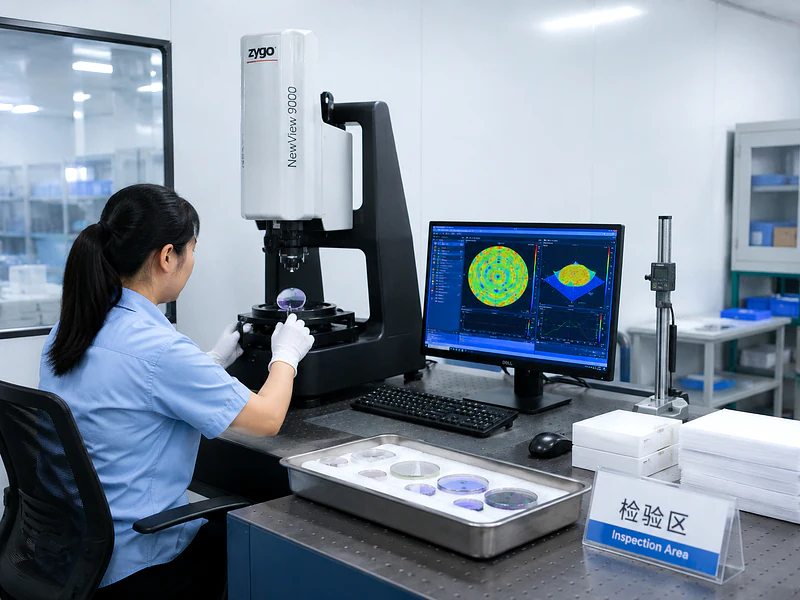
Inspection & Packaging
Dimensional inspection, spectral performance verification, optical checking and clean protective packaging before shipment.
Custom Manufacturing Options for Cold Mirror
Dimensions & Geometry
Custom size and edge form can be manufactured according to customer drawings, with substrate material selected for optical and mechanical requirements.
Surface & Mechanical Quality
Surface accuracy and surface quality can be selected according to system requirements and mounting structure.
Spectral Coating Design
Cold mirror dielectric coatings can be optimized according to the reflection/transmission crossover wavelength, incident angle and application requirements.
Cold Mirror Material Comparison
| BK7 | Fused Silica | |
|---|---|---|
| Thermal Stability | Moderate thermal stability | Excellent, low thermal expansion |
| Mechanical Notes | Widely available, cost-effective substrate | High homogeneity, good performance under sustained thermal load |
| Typical Use | General illumination and projection systems, cost-sensitive applications | High-power illumination and solar optical systems requiring higher thermal stability |
| Selection Note | Preferred for general applications with lower cost requirements | Preferred when sustained thermal load and dimensional stability are critical |
Applications of Cold Mirror
Projection Optical Systems
Spectral separation optics for projection and display systems.
Illumination Systems
Reduced thermal load reflectors for high-intensity illumination equipment.
Imaging Systems
Cold mirrors for imaging instruments requiring reduced infrared load.
Solar Optical Systems
Spectral control optics for solar collection and concentration systems.
Machine Vision Systems
Reflective optics for machine vision equipment requiring thermal management.
Scientific Research Equipment
Precision optical components for laboratory and research platforms requiring spectral separation.
Cold Mirror FAQ
What is the function of a cold mirror?
A cold mirror reflects visible light while transmitting infrared radiation, helping reduce heat in optical systems.
Why is it called a cold mirror?
It is called a cold mirror because infrared energy, which carries heat, is transmitted away from the reflected visible light path.
Can cold mirrors be customized?
Yes. Spectral response, substrate materials, dimensions, and coating designs can be customized.
What applications commonly use cold mirrors?
They are widely used in projection systems, illumination equipment, imaging systems, and solar optical systems.
What information should I provide for a quotation?
Please provide substrate material, dimensions, spectral crossover wavelength, angle of incidence, surface quality, surface accuracy, quantity and drawing if available.
Where can I learn more about cold mirror coatings?
Additional information on cold mirror coatings can be found from Edmund Optics.
Related Products for Cold Mirror
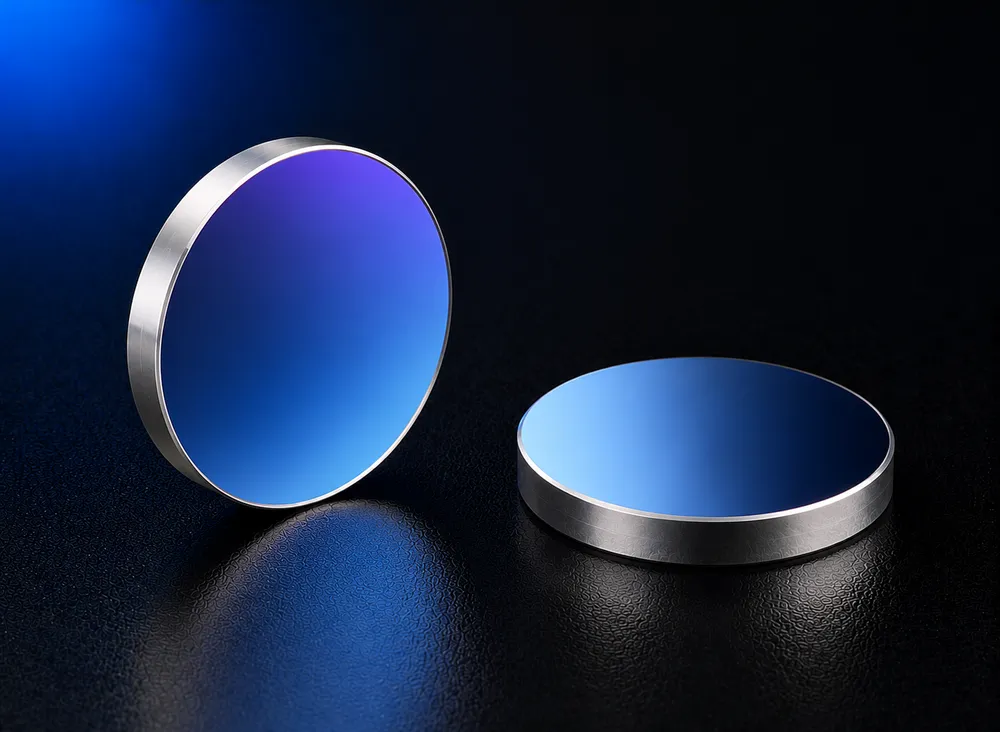
Need Custom Cold Mirrors?
Send us your drawing, spectral requirements, dimensions, coating requirements and quantity. Chenyu Optics will review the optical and mechanical specifications and provide a suitable cold mirror manufacturing suggestion.