
Low Loss Mirror
Low Loss Mirrors are precision reflective optical components engineered for extremely low absorption and scatter losses, specified in parts-per-million (ppm) rather than percent. Built on super-polished substrates with ultra-low-loss dielectric coatings, these mirrors provide exceptionally high reflectance and minimal optical loss. Chenyu Optics manufactures low loss mirrors on fused silica and optical glass substrates for high-finesse cavities, ring-down spectroscopy and precision interferometry.
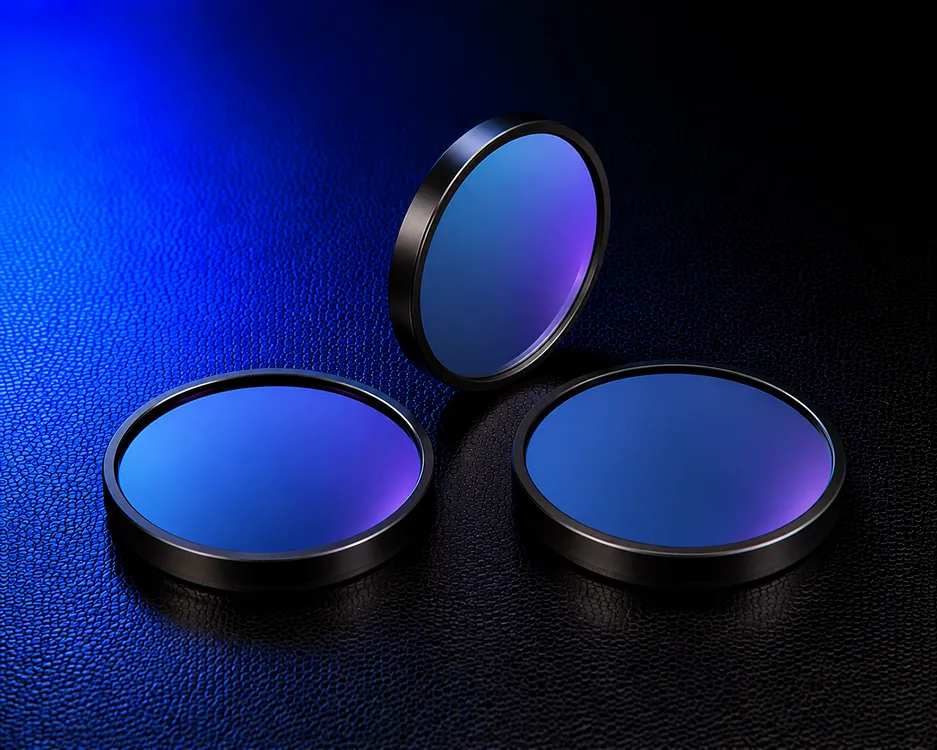
Low Loss Mirror Overview
Low Loss Mirrors are precision reflective optical components engineered for extremely low absorption and scatter losses, specified in parts-per-million (ppm) rather than percent.
Built on super-polished substrates with ultra-low-loss dielectric coatings, low loss mirrors provide exceptionally high reflectance and minimal optical loss, making them suitable for applications where even small losses significantly affect system performance. They are widely used in high-finesse optical cavities, cavity ring-down spectroscopy (CRDS), precision interferometry and gravitational wave detection research.
Chenyu Optics supports custom low loss mirror manufacturing according to customer drawings, including custom diameter, substrate material and coating design for prototype and repeat production.
Key Advantages of Low Loss Mirror
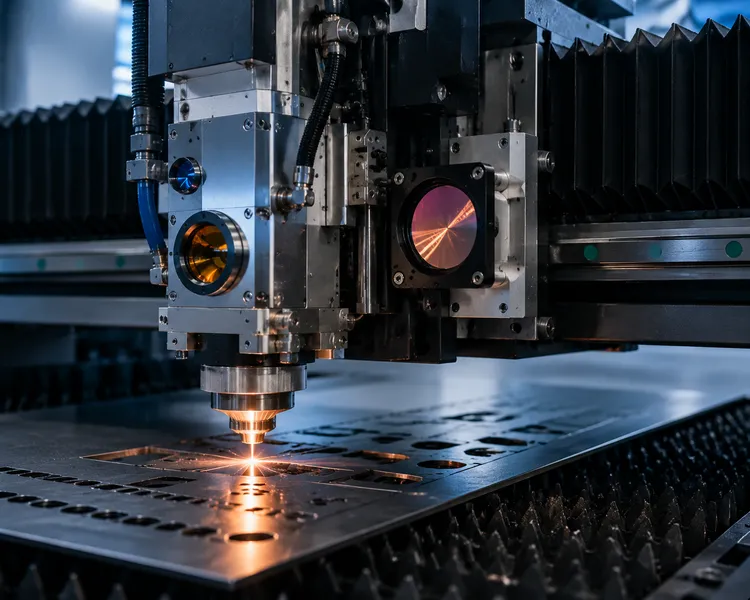
High-Finesse Cavity & Ring-Down Spectroscopy Systems
Low loss mirrors are widely used for ultra-low-loss reflection in high-finesse optical cavities, cavity ring-down spectroscopy and precision interferometry systems.
Typical Specifications of Low Loss Mirror
| Substrate Options | Fused Silica, Optical Glass, Super-Polished Grade |
|---|---|
| Optical Function | Ultra-low-loss reflection |
| Coating Type | Ultra-low-loss multilayer dielectric |
| Total Loss (Absorption + Scatter) | Typically <10–50 ppm (design dependent) |
| Reflectance | >99.99% at design wavelength (typical) |
| Diameter | Customized |
| Surface Roughness | Sub-angstrom level (super-polished) |
| Surface Quality | 10-5 or better scratch-dig |
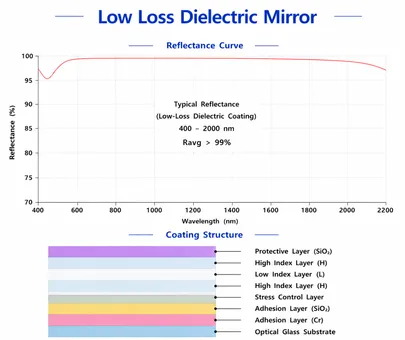
Reflectance Curve (Typical, by Coating)
Why Choose Chenyu Optics for Low Loss Mirror
Chenyu Optics focuses on drawing-based precision mirror manufacturing for high-finesse cavity, spectroscopy and precision research systems. We support prototype verification, small-batch production and repeat manufacturing for non-standard low loss mirrors.
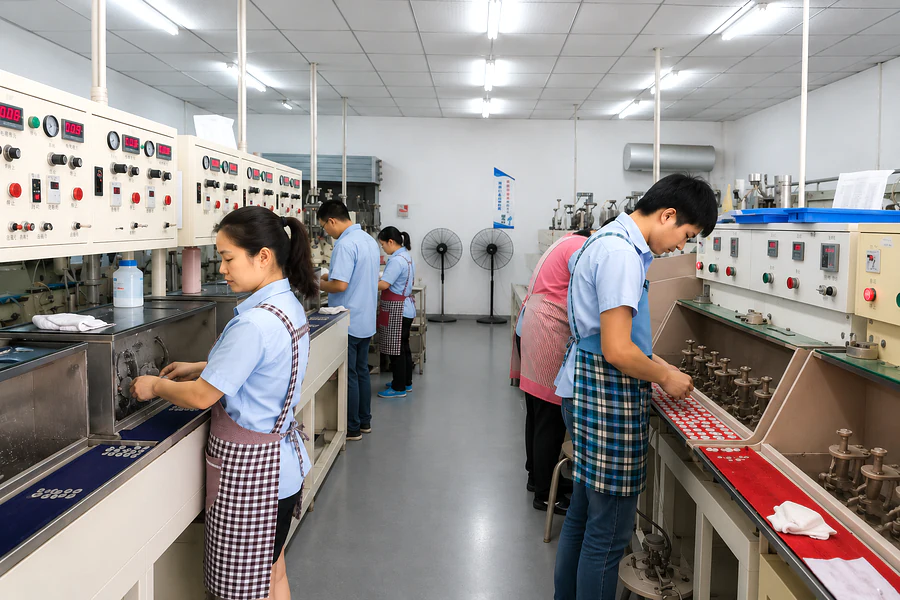
Manufacturing Capability for Low Loss Mirror
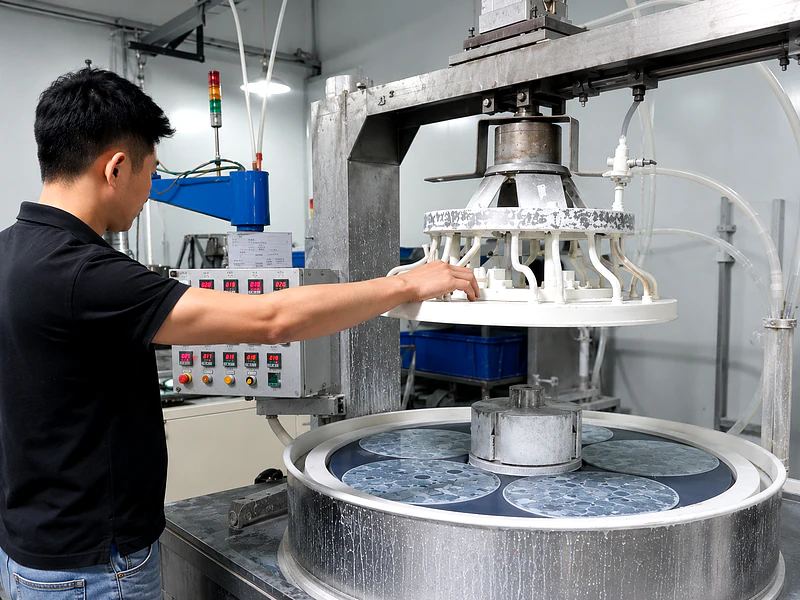
Super-Polishing
Sub-angstrom surface roughness processing to minimize scatter losses at the substrate level.
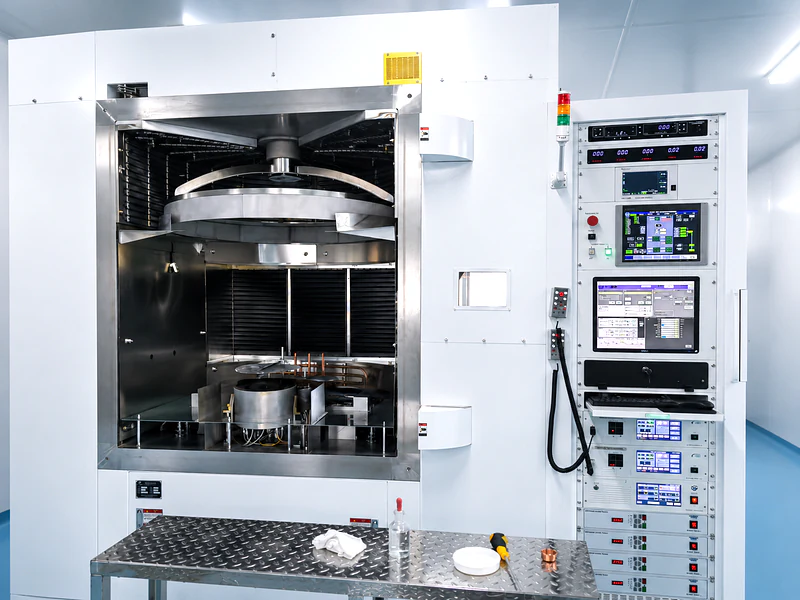
Ultra-Low-Loss Dielectric Coating
Precision-controlled multilayer deposition to achieve parts-per-million absorption and scatter losses.
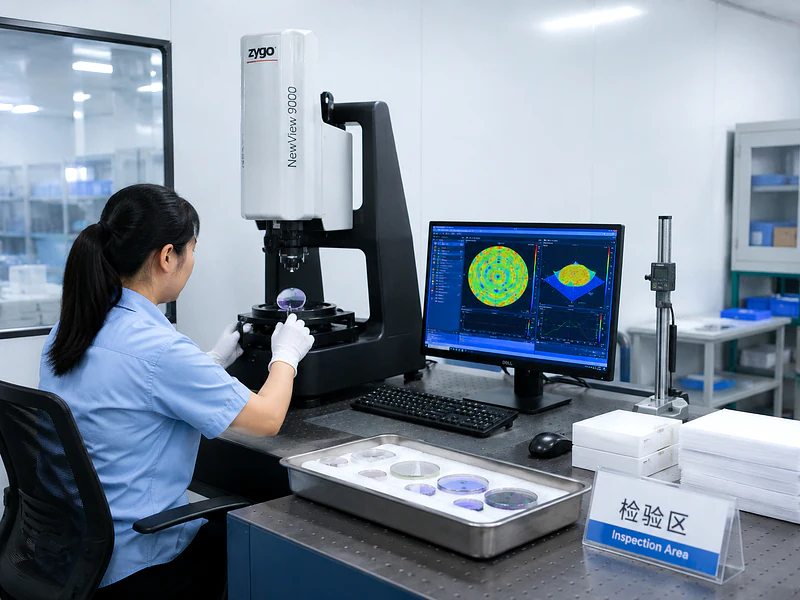
Inspection & Packaging
Loss and reflectance verification, surface metrology, optical performance checking and protective packaging before shipment.
Custom Manufacturing Options for Low Loss Mirror
Dimensions & Substrate
Custom diameter and super-polished substrate grade can be manufactured according to customer drawings and cavity design requirements.
Loss & Reflectance Target
Target total loss (absorption + scatter) and reflectance can be optimized according to cavity finesse or measurement sensitivity requirements.
Coating & Wavelength Design
Ultra-low-loss dielectric coating design can be specified for the required design wavelength and bandwidth.
Mirror Loss Comparison
| Low Loss Mirror | Protected Dielectric Mirror | Enhanced Metallic Mirror | Standard Broadband Mirror | |
|---|---|---|---|---|
| Typical Total Loss | <10–50 ppm (0.001–0.005%) | ~0.1–1% (1,000–10,000 ppm) | ~1–2% (10,000–20,000 ppm) | ~8–12% (80,000–120,000 ppm) |
| Substrate Requirement | Super-polished, sub-angstrom roughness | Standard optical polish | Standard optical polish | Standard optical polish |
| Coating Complexity | Highly engineered ultra-low-loss dielectric stack | Standard multilayer dielectric | Enhanced metallic with dielectric overcoat | Simple metallic or basic dielectric |
| Typical Applications | High-finesse cavities, CRDS, precision interferometry | High-power laser, narrowband precision systems | General-purpose high-reflectance systems | General beam folding and redirection |
Applications of Low Loss Mirror
High-Finesse Optical Cavities
Ultra-low-loss reflection for high-finesse cavity systems.
Cavity Ring-Down Spectroscopy
Precision low-loss mirrors for CRDS measurement systems.
Precision Interferometry
High-reflectance mirrors for interferometric measurement.
Gravitational Wave Detection Research
Ultra-low-loss optics for gravitational wave observatories.
Ultra-Stable Laser Systems
Low-loss mirrors for frequency-stabilized laser cavities.
Scientific Research Instruments
Precision low-loss mirrors for research and laboratory setups.
Low Loss Mirror FAQ
What makes a low loss mirror different from a standard mirror?
A low loss mirror is engineered for extremely low absorption and scatter losses, specified in parts-per-million rather than percent, using super-polished substrates and ultra-low-loss coatings.
Why are losses measured in parts-per-million?
At the exceptionally low loss levels achieved by these mirrors, percentage figures are too coarse to meaningfully describe performance, so parts-per-million is used instead.
What applications require low loss mirrors?
They are commonly used in high-finesse optical cavities, cavity ring-down spectroscopy, precision interferometry, and gravitational wave detection research.
Can low loss mirrors be customized?
Yes. Chenyu Optics provides customized diameters, substrate grades, target loss levels, and coating designs.
What information should I provide for a quotation?
Please provide diameter, design wavelength, target loss/reflectance, substrate grade, quantity and drawing if available.
Where can I learn more about mirror design?
Additional information on mirror design can be found from Edmund Optics.
Related Products for Low Loss Mirror
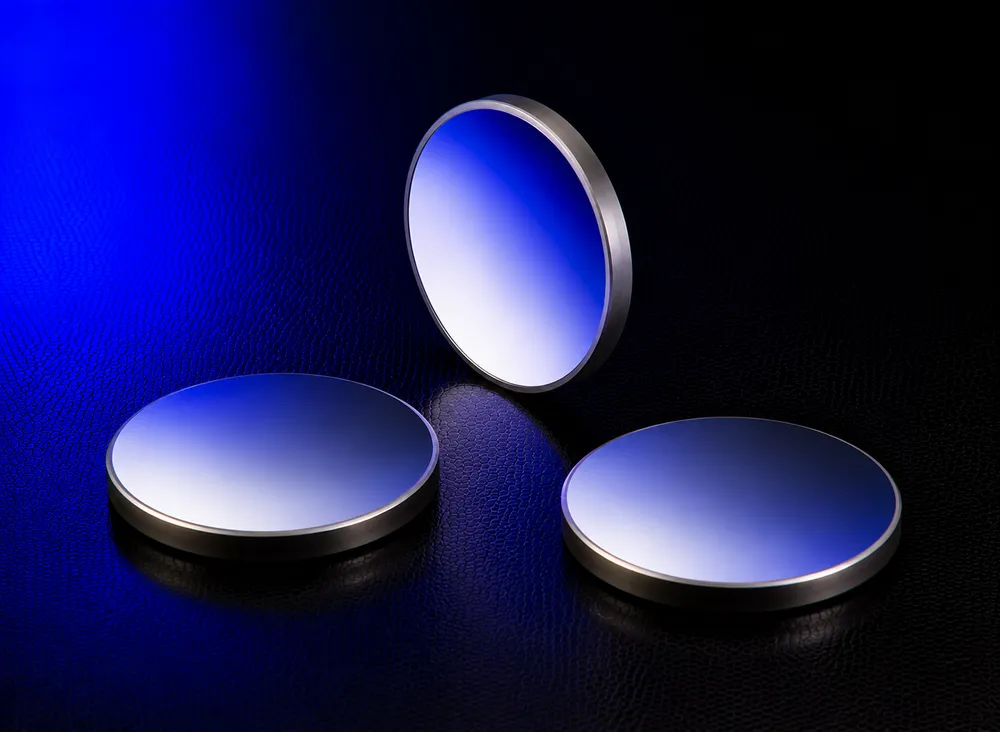
Need Custom Low Loss Mirrors?
Send us your drawing, diameter, design wavelength, target loss/reflectance and substrate requirements. Chenyu Optics will review the optical specifications and provide a suitable low loss mirror manufacturing suggestion.