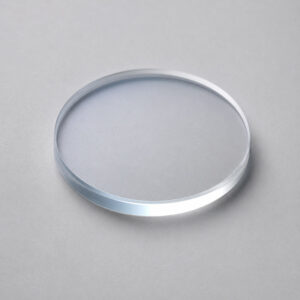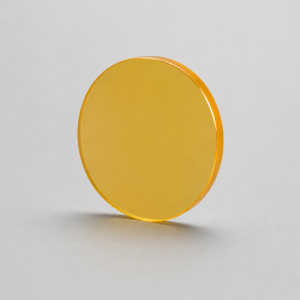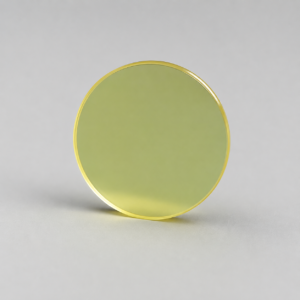
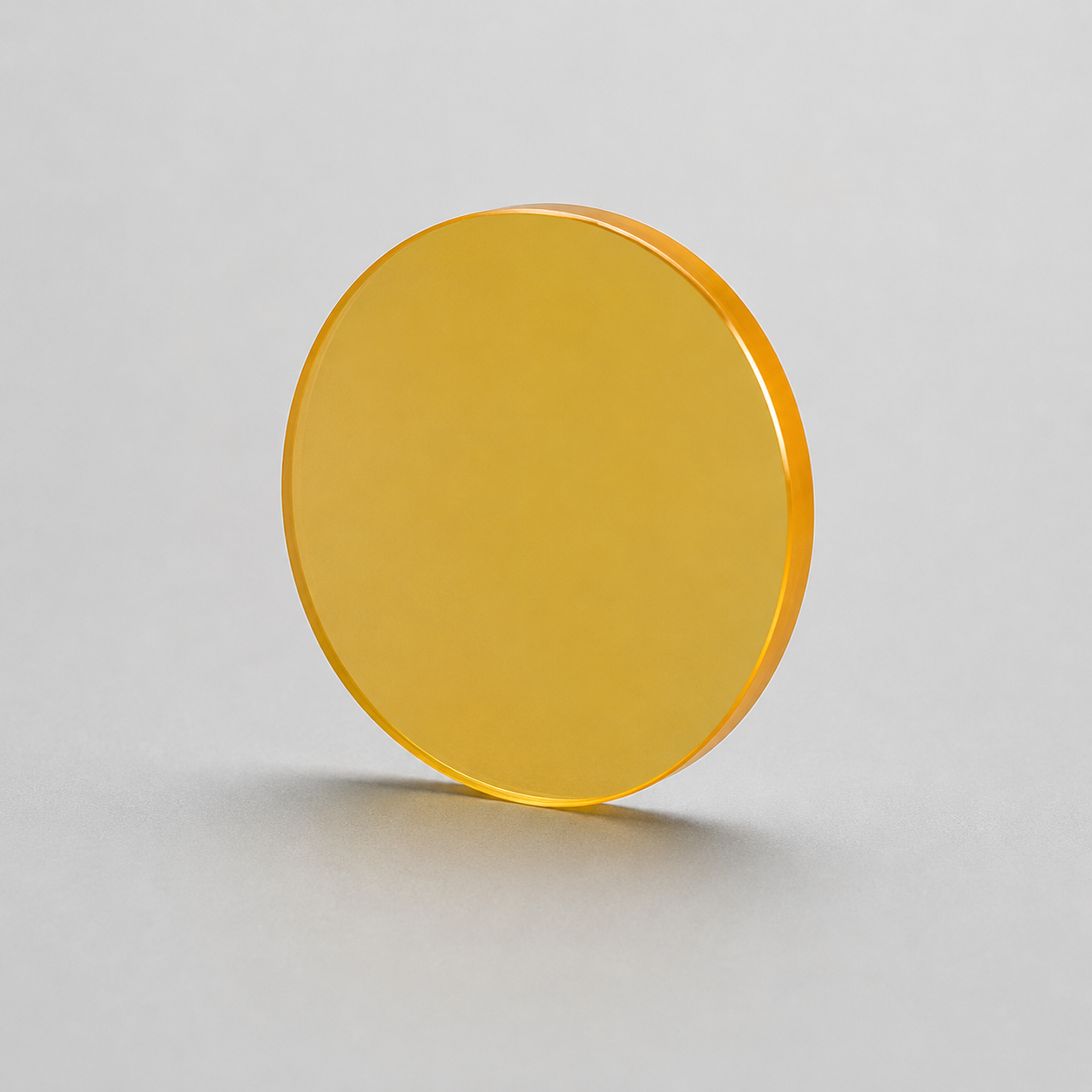
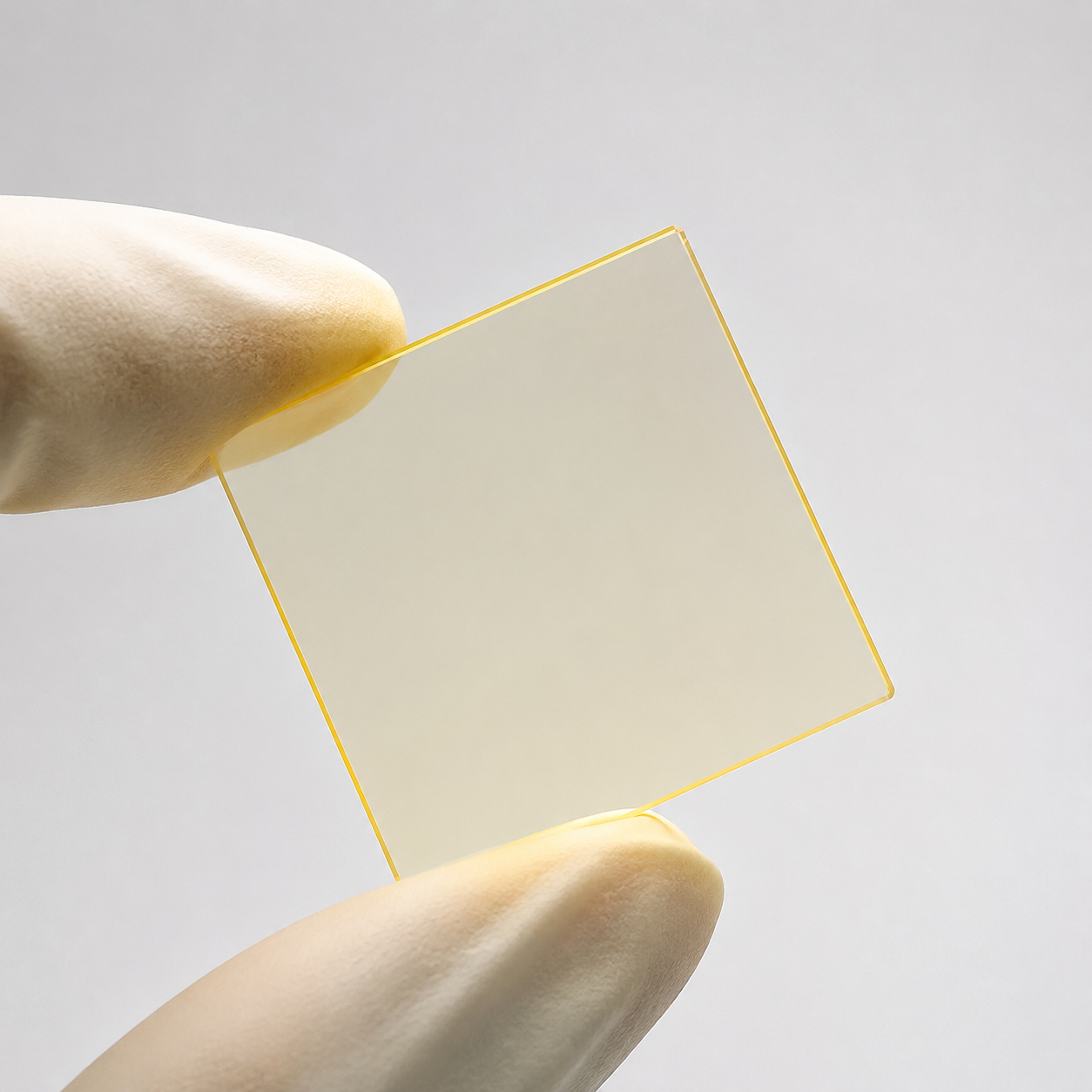
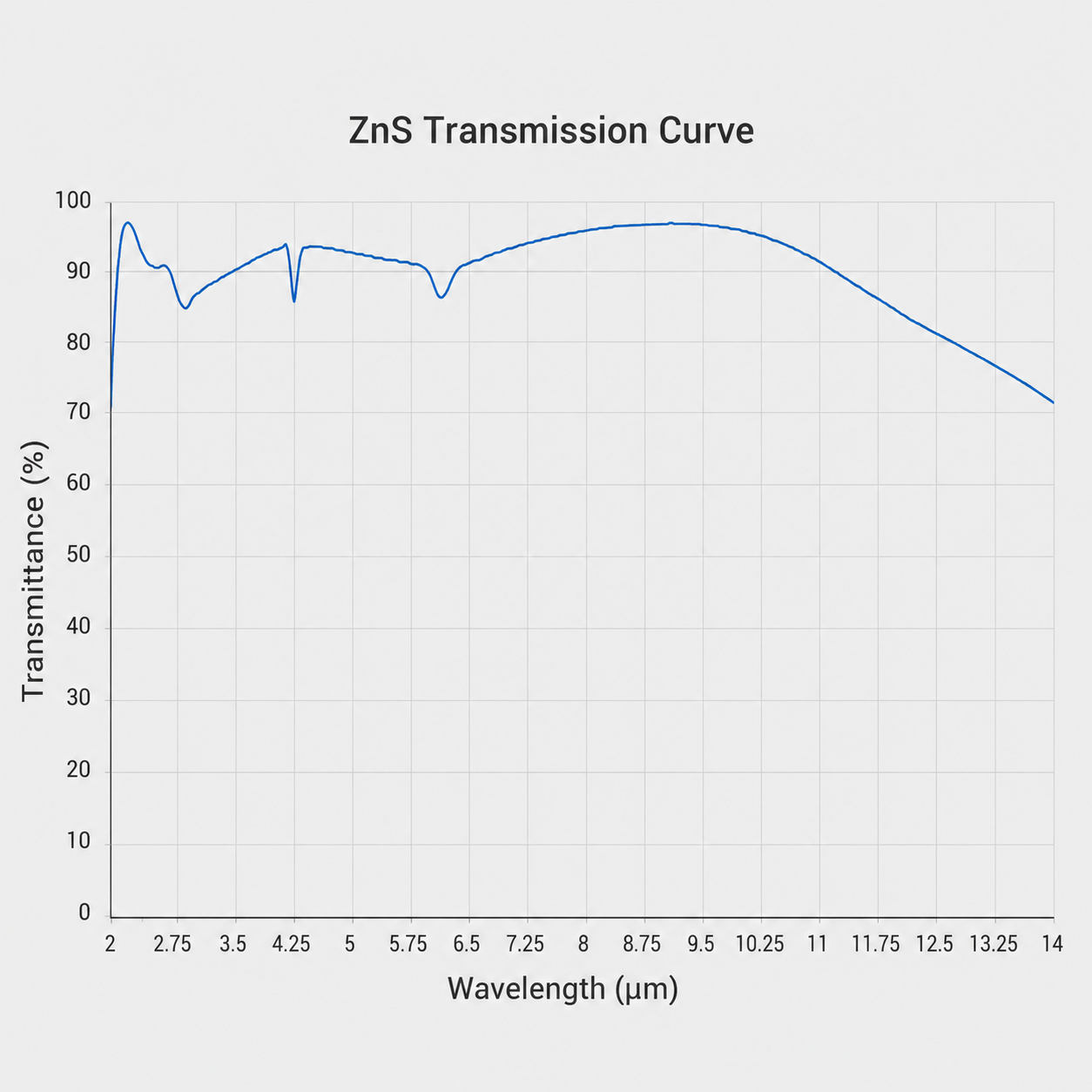
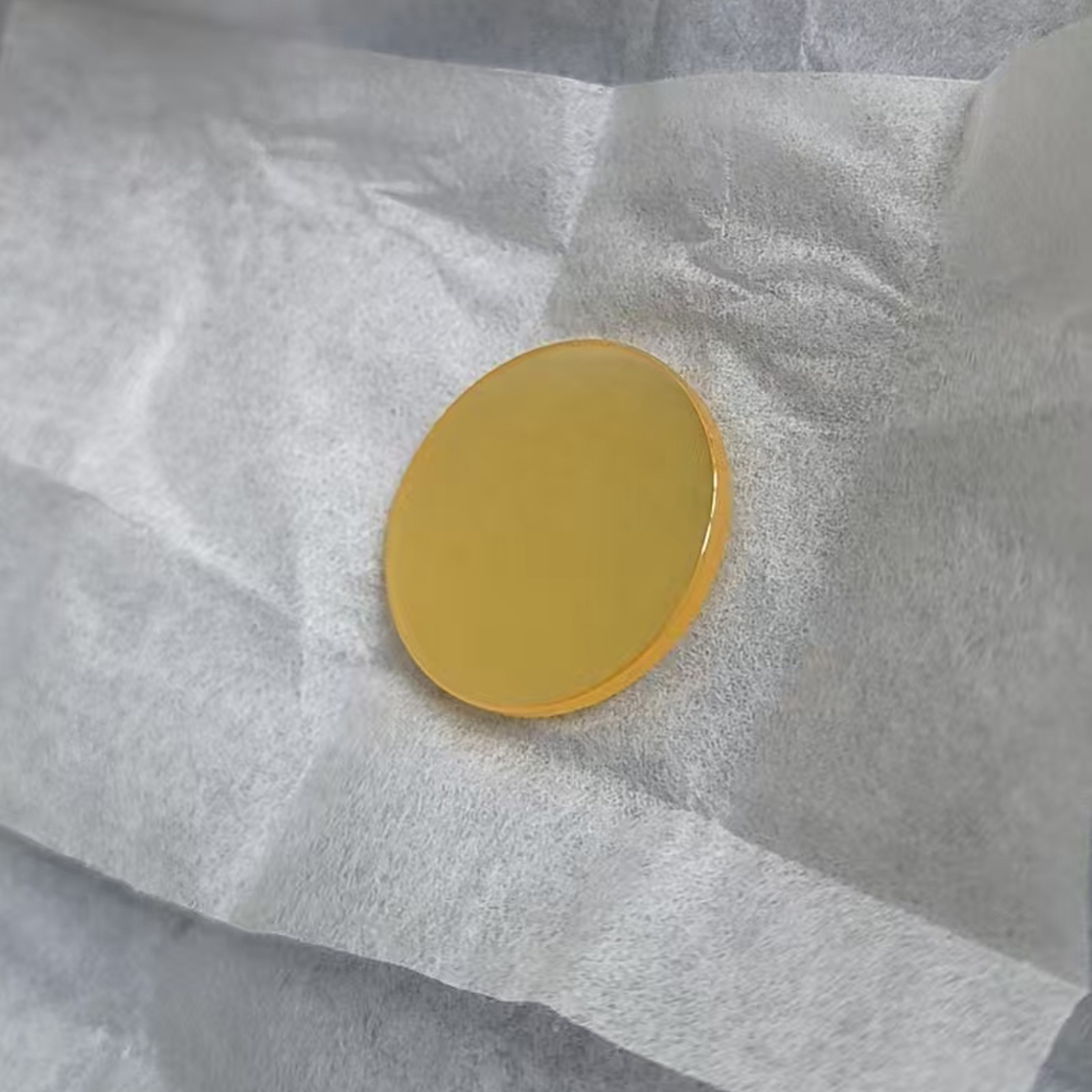
CVD zinc sulfide (ZnS) is a widely used infrared optical material for thermal imaging, infrared sensing, and LWIR optical systems. Standard CVD ZnS has a slightly yellow appearance in the visible range, but it provides reliable transmission performance in infrared wavelengths, especially for 8–12 μm applications.
Compared with some softer infrared materials, ZnS offers good mechanical strength, environmental durability, and resistance to thermal shock. It is commonly used for infrared windows, protective optics, and optical components exposed to harsh operating environments.
Chenyu Optics provides custom CVD ZnS infrared windows according to customer drawings and optical specifications, including diameter, thickness, surface quality, coating wavelength, and AR coating requirements.
Key Features
✓ Suitable for LWIR infrared applications
✓ Commonly used for 8–12 μm thermal imaging systems
✓ Good mechanical strength compared with ZnSe
✓ Available with custom AR coating
✓ Suitable for protective infrared windows
✓ Custom size, thickness, and surface quality available
Typical Specifications
| Parameter | Specification |
|---|---|
| Material | CVD Zinc Sulfide (ZnS) |
| Spectral Range | 0.4 – 13 μm |
| Optimized Waveband | 8 – 12 μm (LWIR) |
| Refractive Index | ~2.2 @ 10 μm |
| Surface Quality | 60/40, 40/20 available |
| Surface Flatness | λ/2 to λ/10 |
| Diameter Tolerance | Custom available |
| Thickness Tolerance | Custom available |
| Clear Aperture | >90% |
| Coating Options | AR / DLC coating available |
| Shape | Round, square, custom shapes |
| Manufacturing Type | Precision polished |
| Applications | Thermal imaging, infrared sensing, LWIR optics |
Applications
✓ Thermal imaging systems
✓ Infrared cameras
✓ Industrial thermography
✓ Protective IR windows
✓ Multispectral optical assemblies
✓ Harsh-environment infrared systems
Custom Manufacturing Options
✓ Custom diameter and thickness
✓ AR and DLC coating available
✓ Precision optical polishing
✓ Prototype and small-batch production
✓ Drawing-based manufacturing support
✓ Custom edge and chamfer processing
FAQ
What is CVD ZnS used for?
CVD ZnS is commonly used for LWIR thermal imaging systems, infrared windows, industrial infrared optics, and harsh-environment optical applications.
What wavelength range does ZnS support?
ZnS typically supports transmission from 0.4 μm to 13 μm, with optimized performance in the 8–12 μm infrared range.
Can custom coatings be applied to ZnS windows?
Yes. AR coating, DLC coating, and custom infrared coatings are available according to customer wavelength requirements.
Do you support custom sizes and shapes?
Yes. Custom diameter, thickness, surface quality, polishing, and shapes can be manufactured according to customer drawings and technical requirements.
What are the advantages of ZnS compared with ZnSe?
ZnS offers better mechanical strength and environmental durability than ZnSe, making it suitable for harsh operating environments and protective infrared windows.
Is ZnS suitable for multispectral applications?
Standard CVD ZnS is mainly optimized for infrared applications, while multispectral ZnS can support visible, MWIR, and LWIR transmission for advanced optical systems.
Can ZnS windows be used in harsh environments?
Yes. ZnS infrared windows provide good resistance to thermal shock, moisture, and harsh environmental conditions, making them suitable for industrial and defense-related infrared systems.
Do you provide prototype or small-batch manufacturing?
Yes. Chenyu Optics supports prototype production, small-batch manufacturing, and custom infrared optics according to customer requirements.